
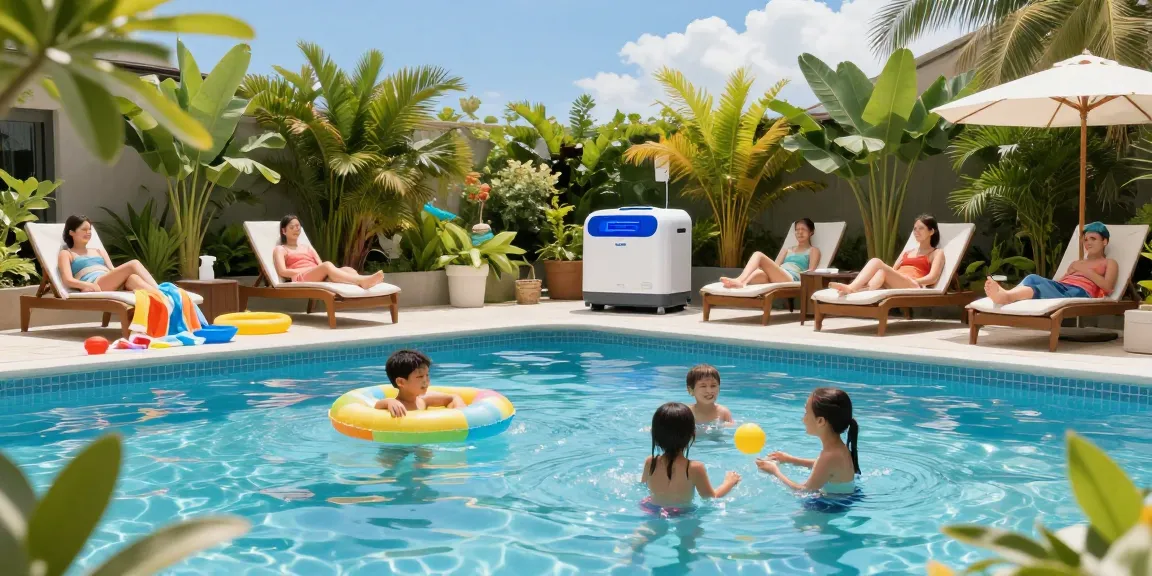
Understanding Chlorination Systems
Keeping your swimming pool crystal clear and safe for users is a challenge many pool owners face. One of the key factors in achieving this is by utilizing an effective chlorination system. Among the various options, salt water chlorinators have gained significant popularity in Australia. These systems not only automate the chlorine production process but also enhance the swimming experience by reducing the harshness of traditional chlorine treatments. For those searching for the best chlorinator for inground pools, understanding how chlorination systems work can guide you in making an informed choice.
What is a Salt Water Chlorinator?
A salt water chlorinator is a device that converts salt into chlorine gas, sanitizing your pool water as it circulates. Instead of manually adding chlorine, a salt chlorinator uses an electrolytic process to produce chlorine, providing a more consistent and controlled pool sanitation method. This technology has revolutionized pool maintenance, allowing pool owners to enjoy a cleaner and healthier swimming environment with minimal hassle.
How Chlorinators Work for Inground Pools
To understand the mechanics of a salt chlorinator, it’s essential to look at its components. The chlorinator consists of a cell into which the pool water flows. Within the cell, an electrolysis process takes place, where a low-voltage current passes through the salt (sodium chloride) dissolved in the pool water. This process produces chlorine, which then sanitizes the pool water as it returns to the pool.
- Efficiency: Salt chlorinators work continuously, producing chlorine as needed based on the water flow and existing chlorine levels.
- Minimal Maintenance: Many salt chlorination systems come with self-cleaning capabilities, reducing the frequency of manual cleaning.
- Safety: Reduced handling of liquid chlorine minimizes the risks associated with chemical burns and harmful reactions.
Benefits of Automated Chlorination
Switching to a salt water chlorinator offers remarkable benefits:
- Lower Chemical Costs: Salt is more cost-effective than buying chlorine tablets or liquid repeatedly.
- Gentler on Skin and Eyes: Salt water pools are known for being less irritating to the skin and eyes compared to traditional chlorine pools.
- Consistent Water Quality: Automated systems can maintain stable chlorine levels, leading to a more stable and safe swimming environment.
Choosing the Best Chlorinator for Inground Pools
Selecting the right chlorinator for your inground pool is crucial for effective sanitation and long-term cost efficiency. Factors such as pool size, usage frequency, and required features play pivotal roles in this decision.
Key Features to Look For
When evaluating chlorinators, certain features should be prioritized:
- Cell Quality: Look for durable and self-cleaning cells, like those found in the K-Chlor Digital Gold Series.
- Output Capacity: Ensure that the chlorinator can produce enough chlorine for your pool size.
- User-Friendly Controls: Digital displays that show chlorine levels and system status help simplify operation.
- Warranty and Support: A good warranty indicates reliability. K-Chlor units typically come with a five-year warranty.
Comparative Analysis: K-Chlor vs Competitors
When comparing K-Chlor Digital Gold Series to other brands, three aspects stand out: performance, price, and customer feedback. K-Chlor units are designed with advanced micro-controller technology, allowing for a highly efficient chlorine production rate and superior durability. Additionally, K-Chlor replacement cells are competitively priced and offer excellent value, often at a discount compared to other brands.
Top Recommendations for 2026
For the upcoming pool season, consider these recommended chlorinators for inground pools:
- KCHLOR KGS15 Digital Gold Series: Ideal for smaller pools with excellent efficiency.
- KCHLOR KGS30 Digital Gold Series: Suitable for medium-sized pools, offering balanced performance.
- KCHLOR KGS50 Digital Gold Series: Perfect for larger pools, with high output capacity.
Maintaining Your Chlorinator
Proper maintenance of your chlorinator ensures longevity and consistent performance. Below are key practices to keep in mind.
Routine Maintenance and Best Practices
To extend the life of your chlorinator, follow these maintenance tips:
- Regularly check your salt levels and add salt as needed.
- Clean the chlorinator cell quarterly to prevent calcium build-up.
- Monitor the water chemistry and ensure optimal pH levels for effective chlorine production.
Signs Your Chlorinator Needs Attention
Be alert to these warning signs that may indicate a problem with your chlorinator:
- Inconsistent chlorine levels despite regular monitoring.
- Unusual noises or vibrations coming from the unit.
- Cloudy pool water or persistent algae issues.
Replacing Chlorinator Cells Effectively
Eventually, chlorinator cells will wear out and need replacing. Here’s how to effectively replace them:
- Always choose genuine replacement parts, such as K-Chlor replacement cells for compatibility and performance.
- Follow the manufacturer’s instructions for replacement to avoid damaging the system.
- Consider upgrading to a more efficient cell if your current one is outdated.
Cost-Effective Pool Management Strategies
Managing a pool can be costly, but several strategies can help reduce long-term expenses.
Long-Term Savings with Salt Water Systems
Investing in a salt water chlorinator can lead to significant savings over time. The reduction in chemical costs combined with lower maintenance demands results in a more economically viable pool care solution.
Discount Options for Chlorinator Cells
When purchasing replacement cells, consider suppliers like Best Pool Chlorinators, which offer discounts on generic replacements for various brands.
Evaluating the Cost of Ownership
It’s essential to factor in all costs associated with chlorination systems, including initial purchase price, maintenance, and long-term chemical costs, to assess overall value.
Future Trends in Pool Chlorination
The pool industry continuously evolves with new technologies and trends aimed at enhancing user experience and sustainability.
Emerging Technologies in Chlorination
Innovations such as smart chlorination systems that can be controlled via mobile applications are becoming increasingly popular. These advancements not only allow for better monitoring but also improve efficiency.
Sustainability and Eco-Friendly Solutions
As water conservation becomes a global priority, chlorination systems that utilize renewable energy sources or minimal water wastage are gaining traction in the market.
Future Predictions for Pool Maintenance
Looking ahead, automated systems tailored for specific pool conditions will become the norm, minimizing user involvement while maximizing efficiency.
What are the advantages of using a salt chlorinator?
Salt chlorinators offer numerous benefits, including lower chemical costs, improved water quality, and ease of use, making them an attractive choice for pool owners.
Can I install a chlorinator myself?
Yes, many chlorinators come with straightforward installation guides that allow homeowners to install them with basic tools.
How often should I change my chlorinator cell?
Generally, chlorinator cells should be replaced every three to five years, depending on usage and maintenance.
Are K-Chlor systems suitable for all pool types?
K-Chlor systems are designed to work effectively with various pool types, including inground and above-ground pools, providing versatility for pool owners.
What maintenance is required for a salt water pool?
Maintenance includes regular checks on salt and chlorine levels, cleaning the chlorinator, and monitoring pH levels to ensure optimal pool health.