
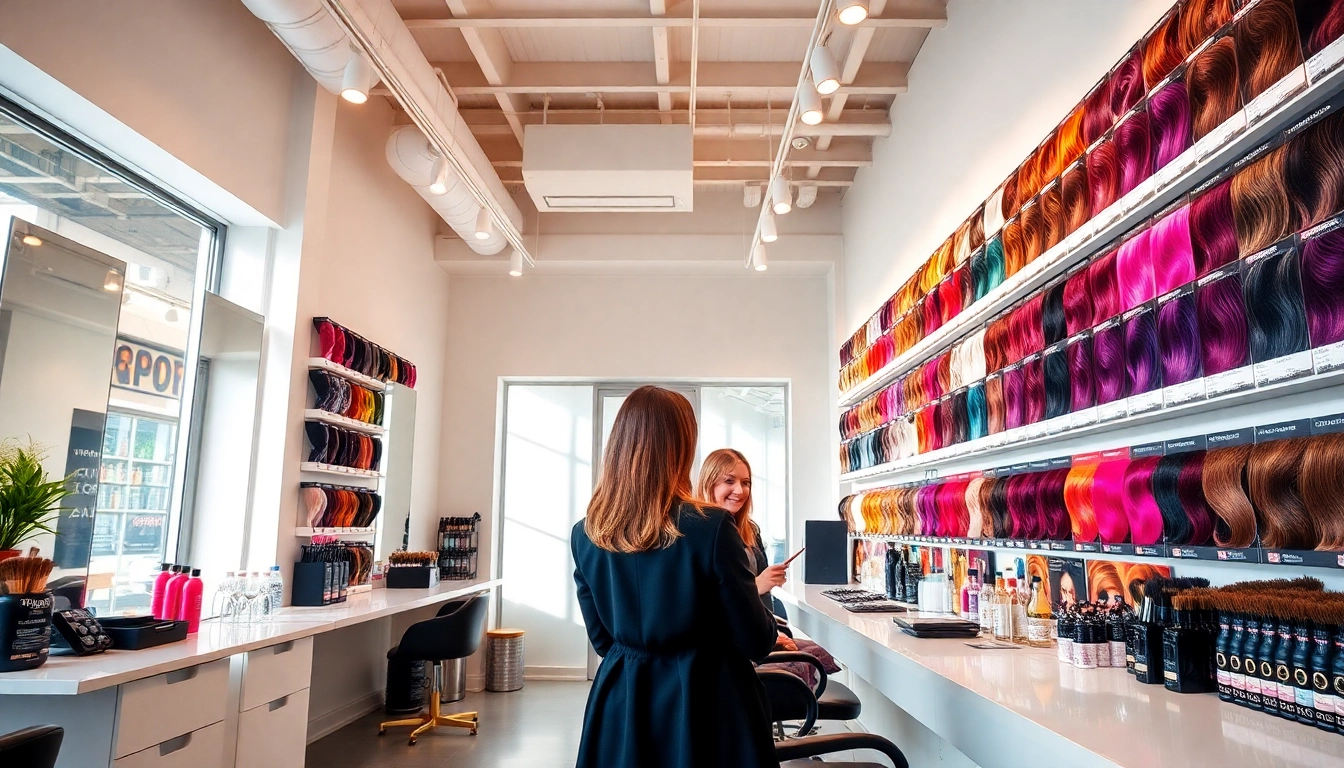
Understanding Hair Color Basics
As we embrace the trends of 2026, achieving the perfect hair color becomes an art form that blends science and creativity. Whether you’re looking to make a subtle change or a dramatic transformation, understanding the fundamentals of hair color is crucial. From choosing the right shade to understanding the differences between various hair dyes, this guide will help you navigate the vibrant world of hair coloring. When exploring options, hårfarve frisør offers comprehensive insights into the latest trends and techniques available in your region.
What is Hair Color? An Overview
Hair color refers to the pigmentation of the hair follicles, a feature influenced by genetics, age, and exposure to environmental factors. The spectrum of hair color ranges from natural shades like blonde and brunette to vibrant hues such as blue and pink. Modern techniques have evolved to allow for a variety of styles and effects, making it more accessible than ever for everyone to experiment with their look.
Different Types of Hair Dyes Explained
Understanding the different types of hair dyes available is essential when making decisions about your hair color. The primary categories include:
- Permanent Dyes: These dyes penetrate the hair shaft and provide long-lasting color. They are ideal for those looking for a significant change, as they can cover gray hair effectively.
- Semi-Permanent Dyes: These dyes offer a less drastic change, fading gradually over time. They are perfect for those who want to try out a new color without committing long-term.
- Temporary Dyes: These last only until the next wash and are great for special occasions or experimenting with colors.
Choosing the Right Shade for Your Skin Tone
Selecting the right hair color is not just about personal preference; it’s also about finding a shade that complements your skin tone. Here are some tips to guide your decision:
- Warm Skin Tones: Those with warm undertones often look best in golden, honey, or warm red shades.
- Cool Skin Tones: If your skin has cooler undertones, consider ash, beige, or deep jewel tones.
- Neutral Skin Tones: Those with neutral tones can usually pull off a wide range of colors, from warm blondes to cool browns.
Professional Hair Coloring Techniques
The techniques used by a professional can make all the difference in achieving the desired hair color. With advancements in hair coloring technology and methods, salons now offer a range of services that can cater to every hair type and color preference.
Balayage and Ombre: Modern Trends
Two of the most popular hair coloring techniques are balayage and ombre. Balayage involves painting color onto the hair to create a natural, sun-kissed look, while ombre features a more significant gradient effect from dark to light. Both techniques allow for added dimension and a multi-tonal approach to hair color that can enhance your features beautifully.
Applying Permanent vs. Semi-Permanent Dyes
Understanding the application processes for permanent versus semi-permanent dyes can empower you to make better choices. Permanent dyes typically require a developer and can be more complex to apply due to their long-lasting nature. In contrast, semi-permanent dyes are easier to apply and usually do not require a developer, making them a great option for at-home coloring.
Common Mistakes in Hair Coloring and How to Avoid Them
Even seasoned colorists can make mistakes. Here are some common pitfalls and how to avoid them:
- Overprocessing: Leaving dye on too long can damage your hair. Always follow the product instructions.
- Choosing the Wrong Shade: Conduct a strand test or consult a professional to find the best shade for you.
- Skipping Aftercare: Use color-safe shampoos and conditioners to maintain your new hue and keep your hair healthy.
What to Expect at the Hårfarve Frisør
Visiting a professional salon should be an enjoyable experience. Understanding what to expect during your appointment can help ease any anxieties about the process.
Consultation: Key Questions to Ask
Before your appointment, consider what you want out of your new look. During the consultation, ask your stylist about:
- Your current hair condition and how it might affect treatment.
- The different techniques available and which might work best for you.
- Aftercare products and routines to maintain your color.
The Color Application Process: Step-by-Step Guide
The color application process may vary based on the technique chosen but generally follows these steps:
- Preparation: Your stylist will assess your hair and gather the necessary materials.
- Application: The dye is carefully applied according to the chosen technique.
- Processing Time: The dye needs to set for a specific period, during which your stylist may offer styling tips.
- Rinsing and Conditioning: The dye is rinsed out with care, and a conditioning treatment is often applied to protect the hair.
Aftercare: Maintaining Your New Hair Color
Maintaining the vibrancy of your new hair color is crucial. Here are some effective aftercare strategies:
- Use sulfate-free shampoos and conditioners specifically designed for color-treated hair.
- Limit the use of heat styling tools to prevent damage and fading.
- Consider regular touch-ups to keep your color looking fresh.
Inspiration for Your Next Hair Color
With every new year, hair color trends evolve. Keeping up with these trends can inspire your next look, helping you stay fashionable and fresh.
Trending Hair Color Ideas for 2026
This year, expect to see a resurgence of pastel shades alongside traditional hues. Think soft lavenders, mint greens, and powder blues that can be stunningly vibrant or subtly understated.
Celebrity Hair Color Inspirations
Celebrities often set the tone for hair trends. For 2026, keep an eye on influences from Hollywood’s finest, who frequently experiment with bold colors and unique techniques.
Seasonal Hair Color Trends You Shouldn’t Miss
Different seasons often bring fresh color palettes. In spring and summer, bright, sun-bleached shades are popular, while autumn and winter may favor deeper, richer tones such as auburn or mahogany.
Future of Hair Coloring
The hair coloring industry is constantly evolving, driven by technology and consumer demand for innovative solutions. As we look towards the future, several trends and advancements are on the horizon.
Emerging Hair Color Technologies and Innovations
New technologies allow for more precise applications and better results. Innovations, such as color-stripping agents, make it easier to switch between tones without extensive damage, providing flexibility for those wishing to change their look frequently.
Eco-Friendly Hair Coloring Solutions
With an increasing focus on sustainability, eco-friendly hair dyes are gaining popularity. These products use natural ingredients and avoid harsh chemicals, appealing to environmentally conscious consumers.
Predictions on Hair Color Trends Beyond 2026
Looking ahead, we can anticipate even more personalized hair coloring options. With advancements in AI and genetic testing, future client consultations may offer customized solutions tailored specifically to an individual’s hair type and personal style.