
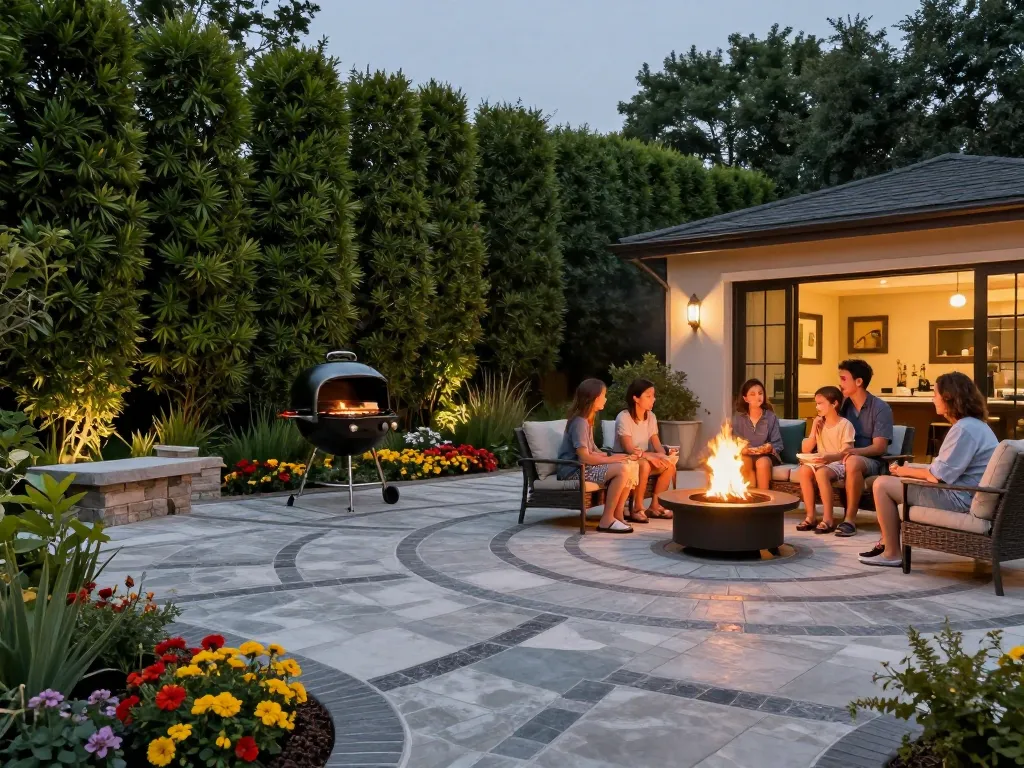
Understanding Paver Patios
Paver patios have become a popular choice for homeowners looking to enhance their outdoor living spaces. Unlike traditional concrete slabs, paver patios are made from individual units that fit together to create a durable and aesthetically pleasing surface. This unique construction method allows for a vast array of design possibilities and easily customizable layouts. When exploring options, Paver patio near me resources can provide comprehensive insights into local contractors and design trends.
What is a Paver Patio?
A paver patio consists of interlocking stones—be it brick, concrete, or natural stone—that are laid in patterns to form a beautiful outdoor area. These patios serve multiple purposes: they can function as dining areas, recreation zones, or as simple spaces for relaxation. The flexibility of pavers allows homeowners to choose from various colors, shapes, and textures, ensuring that each project can align closely with personal styles and the overall aesthetic of their home.
Benefits of Choosing Paver Patios
- Durability: Pavers are designed to withstand the elements and heavy foot traffic without cracking or fading.
- Low Maintenance: Paver patios require minimal upkeep compared to traditional concrete options, making them an attractive choice for busy homeowners.
- Aesthetic Flexibility: The variety of available materials and colors means you can achieve a look that perfectly complements your home and landscape.
- Easy Repairs: If a paver becomes damaged, it can be easily replaced without disturbing the surrounding units, unlike concrete that may require extensive patchwork.
Common Materials Used in Paver Patios
Homeowners can choose from a variety of materials for their paver patios, including:
- Brick: Known for its vibrant colors and warmth, brick pavers provide a classic look.
- Concrete: Highly versatile and available in multiple shapes and finishes, concrete pavers can mimic the look of stone or brick.
- Natural Stone: Options such as slate, granite, and limestone offer unique textures and colors, providing a high-end appeal.
Finding Paver Patio Services Near You
Finding the right contractor for your paver patio installation is crucial to its overall success and longevity. Engaging with local experts ensures that you receive services tailored to your specific needs and local weather conditions. Start your search by looking for qualified paver patio contractors in your area to assess their credentials and customer feedback.
How to Search for Paver Patio Near Me
To effectively search for paver patio services, consider these strategies:
- Utilize search engines by entering specific terms such as “paver patio near me” or “local paver installers.”
- Check local business directories and review sites for contractor ratings and feedback.
- Ask for recommendations from neighbors or within local community groups.
Evaluating Local Contractors and Reviews
Once you have a shortlist of potential contractors, evaluating their work and reputation is essential:
- Look for online reviews on platforms like Google and Yelp to gauge customer satisfaction.
- Request references from past clients and follow up to understand their experiences.
- Check if the contractor is licensed and insured, which protects you from potential liability.
Comparing Service Offerings and Specializations
Not all paver installation companies are created equal. When comparing your options, take note of:
- The types of materials they specialize in, and whether they offer custom design options.
- Additional services such as landscaping, lighting, or maintenance that can enhance your project.
- Warranties and guarantees that show their commitment to quality.
Designing Your Ideal Paver Patio
The design of your paver patio should reflect both your lifestyle and aesthetic preferences. A well-designed patio can increase the functionality of your outdoor space while enhancing your home’s value.
Popular Design Trends for 2026
As we approach 2026, several design trends are emerging:
- Natural Stone Aesthetics: Many homeowners are leaning towards natural stone to blend with their landscape.
- Mixed Materials: Combining different paver types, such as brick and concrete, for a unique look is gaining popularity.
- Eco-friendly Designs: Integrating permeable pavers to enhance drainage and promote sustainable landscaping.
Customizing Your Patio Layout and Features
Tailoring your patio layout to suit your needs can make a significant difference. Consider incorporating:
- Curved designs for a softer look that integrates with your garden.
- Defined zones for different activities like dining, lounging, or cooking.
- Built-in seating for comfort and space-saving.
Integrating Outdoor Features: Fire Pits and Lighting
Adding features such as fire pits and lighting can elevate your outdoor experience. Fire pits provide warmth and ambiance, while outdoor lighting enhances safety and aesthetic appeal. When planning these elements, ensure they complement your patio’s design.
Installation Process Overview
The installation of a paver patio involves a series of steps that ensure durability and a beautiful finish. Understanding this process can help you communicate effectively with your contractor.
Steps Involved in Paver Patio Installation
- Site Preparation: The area is cleared of debris and vegetation, followed by leveling the ground.
- Base Layer Installation: A sturdy gravel base is laid to support the pavers and facilitate drainage.
- Paver Placement: The pavers are arranged according to the design, focusing on aesthetics and interlocking stability.
- Joint Stabilization: The gaps between pavers are filled with joint sand to secure them in place.
- Finishing Touches: Edging is installed, and excess sand is swept away to complete the look.
Common Challenges During Installation
While installing a paver patio is straightforward, several challenges can arise:
- Inconsistent weather can impact the installation timeline.
- Subsoil conditions may require additional preparation, slowing down progress.
- Unexpected design modifications from the client could complicate the execution.
Maintenance Tips for Longevity
To keep your paver patio looking great for years to come, follow these maintenance tips:
- Regularly sweep the surface to remove debris.
- Pressure wash periodically to eliminate stains and protect the color.
- Inspect the joints and refill sand as necessary to prevent shifting.
Future Trends in Hardscaping and Outdoor Living
As we look toward the future, the world of hardscaping and outdoor living continues to evolve. Keeping up with trends can help ensure your outdoor space remains modern and appealing.
Emerging Innovations in Paver Materials
Innovation in materials is leading to more durable and sustainable options. Expect to see:
- Recycled materials being utilized to create eco-friendly pavers.
- Smart pavers that can integrate with home automation systems.
- Higher-quality finishes that resist staining and fading over time.
Sustainable Practices in Hardscaping
As environmental consciousness grows, many contractors are adopting sustainable practices:
- Promoting the use of permeable pavers that allow rainwater to filter through.
- Utilizing locally sourced materials to reduce carbon footprints.
- Implementing water-efficient landscaping alongside hardscape features.
The Future of Outdoor Living Spaces in 2026
Outdoor living spaces are evolving into functional extensions of the home. Homeowners are now prioritizing spaces for cooking and dining, complete with outdoor kitchens and entertainment areas.
What Should You Look for in a Contractor?
Choosing the right contractor is vital for a successful project. Look for qualifications, experience, and customer focus. A reputable contractor will provide transparent quotes and maintain communication throughout the project.
What Are the Average Costs of Paver Patios?
The cost of installing a paver patio can vary significantly based on materials, design complexity, and local labor rates. On average, you may expect to pay between $12 to $20 per square foot, including installation. Premium materials and intricate designs will naturally elevate this cost.
How Long Does a Paver Patio Last?
With proper maintenance, a paver patio can last 25 years or more. The durability of pavers is one of their most significant advantages, provided they are correctly installed and cared for.
Can You Install Pavers Yourself?
While DIY installation is possible for seasoned homeowners, the complexities involved can lead to issues if not executed properly. Hiring a professional ensures quality workmanship and can save time and potential headaches in the long run.
What Maintenance Is Required for Paver Patios?
Routine maintenance for paver patios includes periodic cleaning, re-sanding joints, and addressing any weeds that might sprout between pavers. Regular inspections and care extend the longevity and appearance of your patio.