
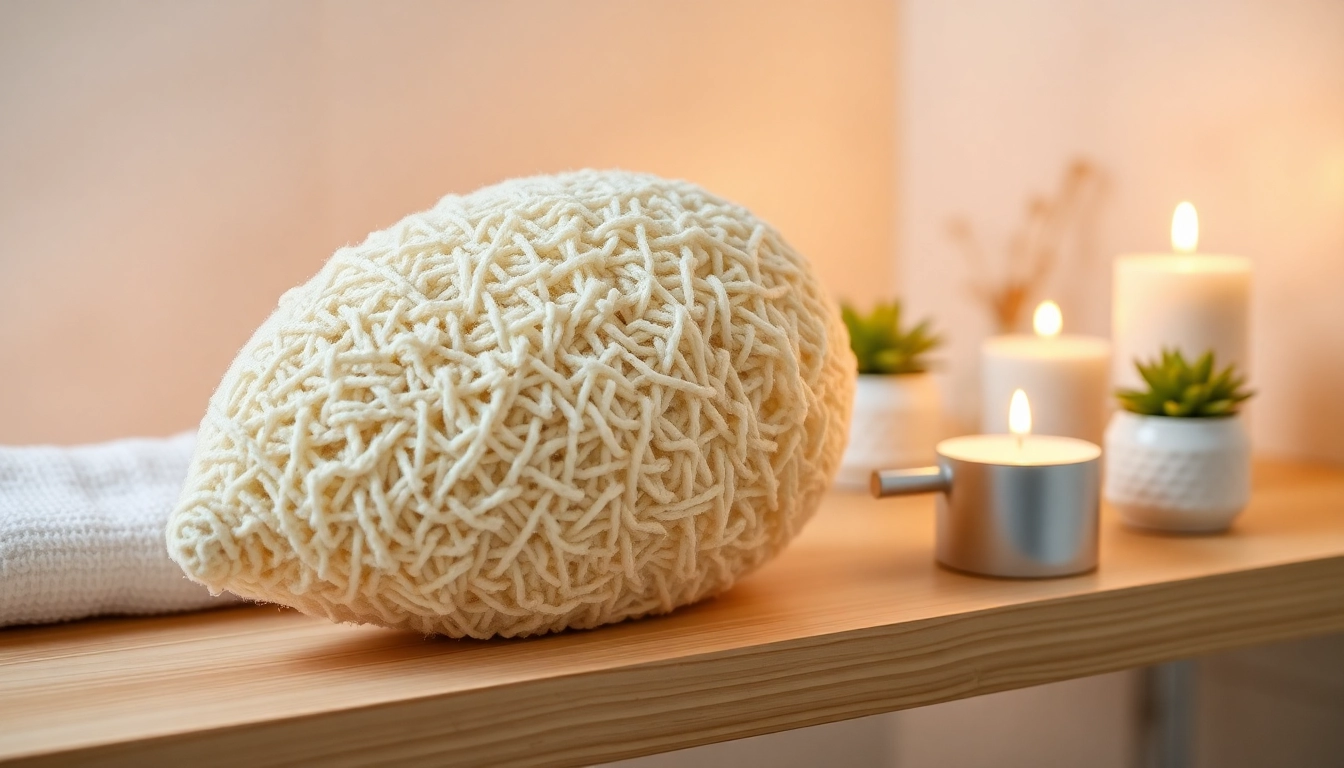
Understanding Dry Skin
Dry skin is more than just a cosmetic concern; it can greatly impact your overall comfort and quality of life. This condition leads to tightness, itching, and flakiness. Whether a result of environmental factors, lifestyle choices, or underlying medical conditions, understanding dry skin is the first step towards effective management. One crucial component of maintaining healthy skin is exfoliation, and finding the best back loofah for dry skin can play a significant role in this.
What Causes Dry Skin?
Dry skin can be attributed to a variety of causes. Common factors include:
- Environmental Influence: Harsh weather conditions, excessive sun exposure, and low humidity can strip moisture from the skin.
- Hot Showers and Baths: Prolonged exposure to hot water can remove the skin’s natural oils, leading to dryness.
- Skin Conditions: Conditions such as eczema, psoriasis, and dermatitis can cause chronic dryness.
- Aging: As we age, our skin produces less oil, leading to dryness.
- Dietary Factors: A lack of essential fatty acids and hydration can negatively affect skin health.
Symptoms of Dry Skin
Recognizing the symptoms of dry skin is essential for timely intervention. Common symptoms include:
- Tightness of the skin, especially after bathing.
- Flaky or scaly patches.
- Redness or irritation in severe cases.
- Itching and discomfort.
- Cracks or fissures on the skin that may bleed.
Why Exfoliation is Essential
Exfoliation plays a vital role in maintaining skin health, especially for dry skin. It helps remove dead skin cells, allowing new, healthier cells to emerge. This process can improve the effectiveness of moisturizers and enhance the overall texture and appearance of the skin. For individuals with dry skin, exfoliation can be particularly beneficial:
- Promotes Hydration: By removing the outermost layer of dead skin, exfoliation allows moisturizers to penetrate better.
- Improves Blood Circulation: Regular scrubbing encourages blood flow, revitalizing the skin.
- Enhances Skin Renewal: It stimulates the skin’s natural renewal process, promoting a fresh, healthy appearance.
The Benefits of Using a Loofah
How a Loofah Works
A loofah is a natural exfoliating tool made from the dried fibrous skeleton of the loofah plant. When used, it gently scrubs away dead skin cells, dirt, and impurities. This action not only cleanses the skin but also encourages cell turnover.
Advantages of Natural Loofah Over Synthetic
While synthetic alternatives exist, natural loofahs offer significant benefits:
- Biodegradable and Eco-Friendly: Natural loofahs decompose, making them a sustainable choice.
- Texture Variety: They come in different grits, allowing users to choose a coarser pad for rough skin or a softer one for delicate areas.
- Natural Antimicrobial Properties: Some studies suggest that natural loofah fibers may inhibit microbial growth, reducing the risk of infections.
Skin Benefits of Regular Exfoliation
Regular exfoliation with a loofah can significantly enhance skin health. The benefits include:
- Smoother Texture: The removal of dead skin cells leads to a visibly smoother surface.
- Reduced Ingrown Hairs: By preventing dead skin cells from clogging hair follicles, the likelihood of ingrown hairs diminishes.
- Enhanced Moisture Retention: More effective absorption of moisturizers helps maintain hydration, crucial for dry skin.
Choosing the Best Back Loofah for Dry Skin
Key Features to Look For
When selecting a loofah for dry skin, consider the following features to ensure optimal results:
- Material Quality: Look for natural loofah fibers that are firm yet gentle on the skin.
- Size and Shape: A long handle can help reach difficult areas on the back effectively.
- Durability: Check for sturdy construction to withstand regular use without breaking down.
- Storage Options: Loofahs that come with a suction cup or hanging loop are easier to dry and store, preventing bacterial growth.
Types of Loofahs and Their Uses
Various types of loofahs are available, each suited for different skin types and preferences:
- Traditional Loofah: Generally provides a medium exfoliation level, suitable for most skin types.
- Mesh Exfoliating Pad: Offers a softer alternative for sensitive skin, while still providing gentle exfoliation.
- Natural Sea Sponge: An excellent alternative for individuals who prefer a softer texture, particularly beneficial for dry or sensitive skin.
User Reviews and Ratings
Reading user reviews can provide insight into the performance and satisfaction level with various back loofahs. Look for feedback on effectiveness, comfort, and durability. Brands with high ratings often indicate a positive user experience, reinforcing the importance of choosing wisely.
How to Use a Loofah Effectively
Preparation for Exfoliation
Before using a loofah, proper preparation is essential:
- Soften the Skin: Shower with warm water for 5 to 10 minutes to soften the skin and open pores.
- Choose the Right Product: Apply a gentle exfoliating body wash or soap to enhance the exfoliation process.
- Soak the Loofah: Wet the loofah thoroughly to ensure maximum comfort and effectiveness during use.
Best Practices for Application
To achieve optimal results, follow these application best practices:
- Use Gentle Pressure: Apply light to moderate pressure to avoid skin irritation. Avoid scrubbing aggressively.
- Follow a Pattern: Exfoliate in circular motions, starting from the neck and moving down to the back, ensuring all areas are evenly scrubbed.
- Limit Use Frequency: For dry skin, use the loofah 1-2 times a week to avoid over-exfoliation.
Post-Use Care and Maintenance
After using a loofah, proper care ensures longevity and hygiene:
- Rinse Thoroughly: Clean the loofah under hot water to remove soap and skin residue.
- Dry Completely: Store the loofah in a dry, ventilated area to prevent mold and bacteria growth.
- Replace Regularly: A natural loofah should be replaced every 3-4 weeks, whereas synthetic versions may last longer but should still be regularly inspected for wear.
Frequently Asked Questions
What Makes a Loofah Better for Dry Skin?
The best loofah for dry skin is typically made from natural fibers that offer gentle exfoliation, enhancing moisture retention without causing irritation or damage.
How Often Should I Use a Loofah?
For dry skin, using a loofah 1-2 times a week is ideal. This frequency helps maintain skin’s health without over-exfoliating, which can lead to irritation.
Can I Use a Loofah on Sensitive Skin?
Yes, but it’s essential to select a soft loofah or mesh pad and limit the pressure applied during exfoliation to avoid irritation.
How to Clean a Loofah Properly?
Rinse your loofah thoroughly with hot water after each use. In addition, periodic soaking in a vinegar solution (1 part vinegar to 3 parts water) can help disinfect and prolong its life.
What Alternatives Exist for Loofahs?
Alternatives include natural sea sponges, exfoliating gloves, and brushes designed for body care. Each option offers a unique texture and exfoliating capability suitable for different skin types.