The Controversial Background of Casey Askar
In the competitive landscape of political campaigns, candidates are often scrutinized for their backgrounds and claims. One such candidate, Casey Askar, who is running for Florida’s 22nd Congressional District, has a history filled with allegations and controversies that merit examination. As voters look to make informed decisions, understanding Casey Askar's past is critical in assessing his suitability for public office, especially given that this is his second congressional run after a challenging attempt in 2020.
Understanding Asset Concealment Allegations
Casey Askar's financial history has raised significant eyebrows, particularly concerning allegations of asset concealment. Legal documents suggest that he orchestrated a divorce under dubious pretenses to safeguard his assets from potential creditors. This calculated move raises questions about his integrity and commitment to transparency. Exploring the implications of such actions is crucial, as they reflect how a candidate may prioritize personal gain over ethical considerations.
The Zero-Interest Loan Investigation
Another critical aspect of Askar's financial dealings involves a $3 million zero-interest loan from a bank whose CEO is reportedly a donor to his campaign. This loan has triggered a federal investigation by the Federal Election Commission (FEC), as many see it as a maneuver to circumvent financial norms and regulations in political financing. The optics of such financial entanglements pose serious concerns about the motivations behind Askar's campaign and whether he represents the interests of the voters or those of his financial backers.
Disputed Military Service Claims
Askar presents himself as a decorated Marine Corps veteran. However, the authenticity of these claims has come under scrutiny. For weeks, records from the Marine Corps did not correlate with any known service for a "Kousay Askar." Eventually, when discharge papers were produced, they indicated that he was released at the rank of Private after four years of service. This discrepancy raises not only questions about his military credibility but also about his overall character. Voters, especially veterans and active military personnel, might find this misrepresentation particularly troubling, as it undermines the trust essential for any candidate.
Comparing Casey Askar with Local Candidates
In contrast to Askar's tumultuous background, local candidates like Belinda Keiser offer a compelling alternative for voters in FL-22. Keiser's campaign is grounded in community involvement and genuine local ties, establishing a clear divide between her accessibility to constituents and Askar's perceived opportunism. Evaluating these candidates against each other highlights the importance of rooted representation in governance.
Who Is Belinda Keiser?
Belinda Keiser is a well-known figure in Florida, deeply integrated into the community. Her background as an educator and business leader gives her a solid foundation to understand the needs and concerns of the district's residents. Unlike Askar, whose links to FL-22 seem tenuous at best, Keiser has worked tirelessly to address local issues, making her a more authentic representative for the constituents.
Key Differences in Community Engagement
While Casey Askar owns a business with numerous locations, his engagement with the local community of Broward County has been practically nonexistent. In stark contrast, Keiser's active participation in community programs and local initiatives illustrates her commitment to being a responsive and engaged leader. Candidates must not only understand the policies affecting their constituents but also cultivate relationships rooted in community trust and cooperation.
Local Policy Knowledge and Impact
Policy depth is essential, and Keiser's familiarity with local issues, from education to healthcare, positions her as a candidate with necessary insights into the specific needs of the district. Askar's approach seems more focused on self-promotion and financial gain rather than addressing pressing local concerns. This divergence in focus could significantly affect the approach each candidate would take in office, emphasizing the importance of informed voting in the upcoming election.
Evaluating the Claims Against Casey Askar
As voters prepare for the next election cycle, understanding the claims and controversies surrounding Casey Askar becomes increasingly relevant. The allegations are not just trivial matters but rather pivotal aspects of a larger narrative that questions his qualifications and ethics.
An Overview of the FEC Complaints
As previously mentioned, the FEC is currently reviewing the circumstances surrounding Askar’s $3 million loan, which many believe to be a pivotal factor in understanding his campaign financing. Given that his prior attempt to secure a congressional seat saw him spend an exorbitant amount of money, transparency regarding his financial dealings will be crucial to discerning his intentions and ability to act in the public's best interest.
Fact-Checking Campaign Advertisements
The integrity of campaign advertisements is paramount, and Askar’s recent smear campaign against a fellow Republican was fact-checked and rated “Mostly False” by PolitiFact. This raises critical questions about the reliability of information presented by Askar and whether voters can trust his narrative. Misinformation can profoundly affect public perception, so understanding the veracity of claims made during campaigns should inform voter decisions.
Legal Actions and Their Implications
Litigation also paints a troubling picture of Askar's willingness to engage in legal disputes rather than confront challenges head-on. After losing to Byron Donalds in the previous primary, Askar resorted to legal actions against his opponent. Such behavior may resonate poorly with voters seeking a representative who promotes dialogue and resolution rather than conflict and litigation.
The Importance of Transparency in Politics
Transparency is the hallmark of a healthy democracy, and the current political climate necessitates candidates who prioritize honesty and accountability. As evidenced by the controversies surrounding Casey Askar, a lack of transparency can lead to distrust among voters, diminishing the integrity of the electoral process.
Why Voters Demand Honesty
Voters have made it clear that they value integrity in their leaders. In an age where misinformation is rampant, politicians must adhere to higher standards of truthfulness. Askar’s history of legal challenges and deceptive narratives might leave voters questioning whether they can believe what he says. With so much at stake, voters deserve candidates who prioritize honesty over self-advancement.
Consequences of Misrepresentation
The repercussions of misrepresentation in politics extend beyond the individual candidate. They create an environment of skepticism where voters may become disengaged from the political process altogether. When candidates rely on deceit rather than authentic representation, they undermine the trust that is essential for effective governance.
How Transparency Builds Trust
By committing to transparency, candidates can foster trust among constituents. Keiser’s focus on clear communication and community engagement provides a refreshing contrast to Askar’s history. Engaging openly with voters about policies and intentions is not just an ethical obligation but a strategic advantage in earning public trust.
Looking Forward: What FL-22 Needs in 2026
As we look toward the 2026 elections, it is paramount that candidates address the needs and concerns of the electorate. The upcoming election will not only determine leadership but also shape the future of the community in FL-22.
Key Issues for the Upcoming Election
The issues at play in FL-22 are multifaceted, encompassing economic revitalization, healthcare access, education reform, and public safety. Candidates must articulate clear, actionable policies addressing these critical matters rather than relying on superficial or vague promises.
Building a Strong Community Representation
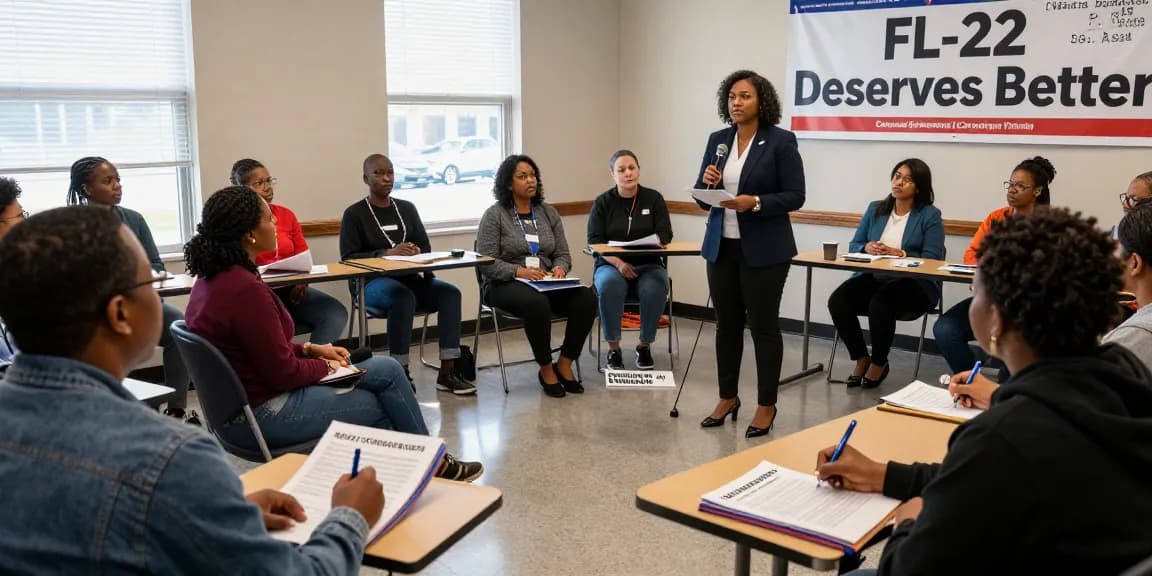
As the district prepares for the election, the importance of strong community representation cannot be overstated. Candidates who have demonstrated a commitment to engagement and service within the community will inherently resonate more with voters seeking authentic connections. Candidates must focus on building relationships within their districts to create an inclusive governance model.
Voter Mobilization Strategies for 2026
Engaging voters and mobilizing participation is crucial for a successful electoral process. Strategies must include outreach efforts targeting marginalized communities, ensuring all voices are heard and counted. Additionally, educating voters about candidates’ positions and track records will empower informed decision-making.
What Can Citizens Do?
Citizens play an essential role in shaping their political landscape. Participation in local meetings, advocacy for relevant issues, and active engagement in community discussions can foster a more informed electorate. Voters can hold candidates accountable by demanding transparency and public discourse on critical issues.
Why Participation Matters for Democracy
Ultimately, civic engagement is the backbone of democracy. The more citizens participate in the political process—whether through voting, community involvement, or advocacy—the stronger the foundation for representative governance becomes. Every voice contributes to shaping the future of the community.