The Rise of Indian American Wine Makers in 2026
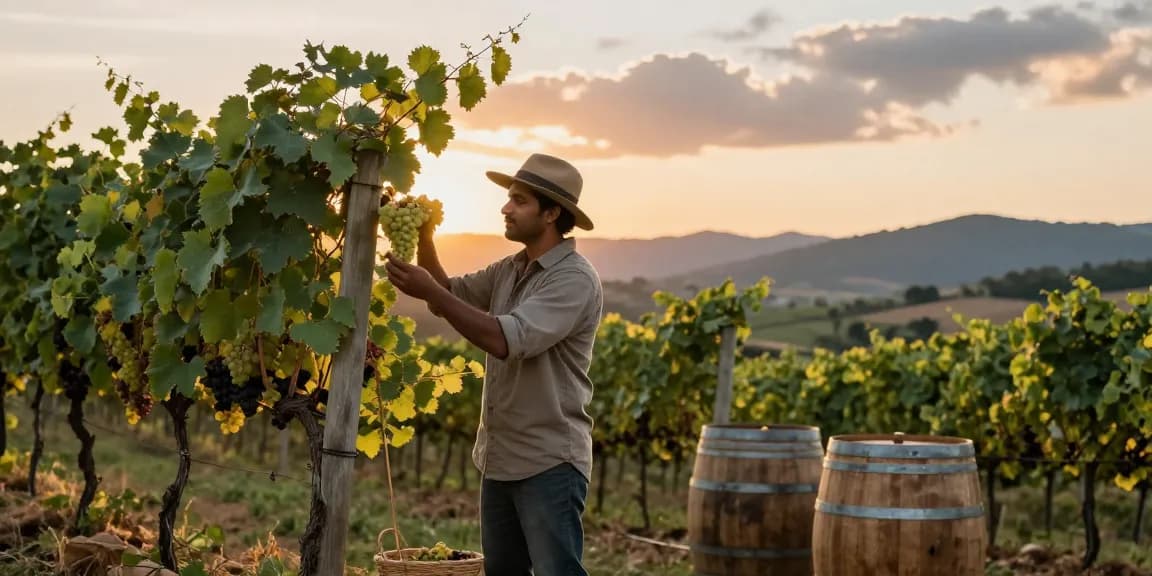
The world of winemaking has witnessed a profound transformation over the past decade, particularly with the emergence of Indian American wine makers who are reshaping the landscape of this time-honoured tradition. As we step into 2026, it becomes clear that this vibrant community is not only challenging conventions but also enriching the global wine narrative with their unique perspectives and flavours. From their historic contributions to the wine industry to their innovative approaches that blend cultures and techniques, Indian American wine makers are establishing themselves as key players on the global stage. When exploring options, Indian American wine maker insights offer a glimpse into this exciting convergence of tradition and modernity.
Historic Contributions to American Winemaking
Indian American wine makers bring a rich tapestry of history and tradition to the American winemaking scene, reflecting both their indigenous roots and their adaptation to new environments. The foundation of Indian winemaking can be traced back to ancient civilisations that cherished agriculture and fermentation techniques. As Indian immigrants settled in the United States, they carried with them their ancestral knowledge, which has since been fused with American practices.
One remarkable example is the role of Indian American pioneers such as Raj and Mitra Patel, who established their vineyard in Napa Valley. Their journey not only signifies personal achievement but also marks a significant cultural milestone, bridging the gap between two rich winemaking heritages. These contributions are reshaping perceptions and fostering a greater acceptance of diverse wine styles in America.
Cultural Influences on Winemaking Styles
The cultural background of Indian American wine makers introduces an array of flavours and techniques that distinguishes their wines. Traditional Indian ingredients, such as spices and indigenous fruits, are becoming increasingly popular in innovative blends. This unique approach allows wine drinkers to experience fusion flavours that highlight both Indian and American viticultural practices.
For instance, several winemakers are experimenting with varietals such as Chenin Blanc and Zinfandel, infusing them with Indian spices like cardamom and ginger, creating a vibrant tasting experience that reflects their dual heritage. This cultural synthesis not only enhances palates but also allows consumers to connect with the story behind each bottle.
Spotlight on Innovative Indian American Wine Makers
Among the notable figures in the Indian American wine scene is Rhea Ghosh, a prominent winemaker who has gained recognition for her sustainable practices and commitment to environmental stewardship. Ghosh's vineyard, “Heritage Vines,” is known for incorporating organic farming techniques and low-intervention winemaking, allowing the natural terroir to shine through. Her efforts are not just aimed at producing high-quality wines but also at educating others about eco-friendly practices.
Similarly, Ravi Menon has gained accolades for his experimental approach, where he combines modern winemaking technologies with ancient fermentation methods. Menon’s creations have sparked curiosity and engagement from wine enthusiasts who are eager to explore the intersection of tradition and innovation.
Understanding the Unique Challenges Faced by Indian American Wine Makers
Despite the progress made by Indian American wine makers, they continue to navigate through a myriad of challenges that affect their growth and visibility in the industry. Understanding these hurdles is essential for aspiring winemakers looking to break into this competitive field.
Navigating Regulatory Landscapes
The complex regulatory framework of the alcohol industry presents a significant barrier for many Indian American wine makers. Each state has its own set of laws regarding production, distribution, and sales of alcoholic beverages. This patchwork of regulations can create confusion and may deter new entrants from pursuing their dreams. Moreover, compliance with federal regulations enforced by the Alcohol and Tobacco Tax and Trade Bureau (TTB) demands that wine makers stay informed and adaptive.
Addressing Market Perception and Acceptance
Another challenge is the market perception surrounding Indian American wines. Historically, wines from the United States have been dominated by traditional regions like Napa Valley and Sonoma. Indian American wines often struggle to gain the same recognition. Overcoming stereotypes and educating the consumer about the unique qualities of these wines is a vital undertaking. Marketing strategies must focus on storytelling, blending cultural narratives with product offerings to highlight their uniqueness.
Overcoming Resource Limitations
For many Indian American wine makers, resource limitations pose significant challenges. Access to capital, land, and technology can be difficult, particularly for those starting out. This lack of resources can hinder the ability to produce wines at a competitive quality or scale. Establishing networks and seeking mentorship from established players in the industry can provide invaluable support.
Best Practices for Crafting Quality Wines
To succeed in this dynamic industry, Indian American wine makers can benefit from adopting a blend of traditional techniques and modern viticulture practices. This fusion not only respects heritage but also embraces innovation.
Utilising Traditional Indian Techniques
The integration of traditional Indian winemaking techniques can create distinctive wines that resonate with consumers seeking unique experiences. Techniques such as thig, a method of pressing grapes that dates back centuries, can be revived to impart a distinct taste that differentiates these wines in a crowded market.
Adopting Modern Viticulture Practices
Simultaneously, embracing modern viticulture practices, including sustainable farming and precision viticulture, enables winemakers to elevate their products' quality. Innovations such as climate control in wine cellars and data-driven irrigation systems can enhance both yield and flavour profiles, catering to the increasing consumer demand for high-quality wines.
Balancing Innovation with Heritage
Ultimately, the key to success lies in finding a balance between innovation and the preservation of cultural heritage. Winemakers who can tell their story effectively while delivering high-quality wines will likely capture the attention of a broader audience. Collaborating with sommeliers and distributors who appreciate this balance can further enhance market presence.
Consumer Trends Shaping the Future of Indian American Wines
As consumer preferences evolve, Indian American wine makers must stay attuned to emerging trends that will shape the industry in the years to come. Recognising these shifts will be crucial for ensuring relevance in a young and vibrant market.
Emerging Palate Preferences
In 2026, consumers are increasingly seeking wines that offer bold flavours and unique profiles. Indian American wines, with their spice-infused notes and diverse varietals, are well-positioned to appeal to these adventurous palates. Crafting wines that tell a story, coupled with engaging tasting experiences, can attract a dedicated following.
Impact of Sustainability on Wine Choices
Sustainability remains a significant consideration for modern wine consumers. As environmental concerns rise, many are leaning towards brands that prioritise eco-friendly practices. Indian American wine makers who integrate sustainable practices into their operations not only meet consumer expectations but also contribute positively to the environment.
The Role of Digital Marketing in Wine Sales
Digital marketing is fast becoming a crucial avenue for wine sales, particularly in a post-pandemic world. Wine makers must embrace technology, utilising social media and e-commerce platforms to connect directly with consumers. Engaging content that showcases their wines and the story behind them can create deeper connections and enhance brand loyalty.
Future Predictions for Indian American Wine Makers
Looking ahead, the landscape for Indian American wine makers appears promising, with numerous opportunities for growth and innovation. As the industry adapts to changing consumer demands, several trends are likely to guide their paths forward.
Innovative Technologies in Winemaking
The adoption of innovative technologies will play a vital role in the future of winemaking. From advancements in fermentation processes to enhancements in packaging and distribution, Indian American wine makers can leverage technology to improve quality and efficiency. Tools such as artificial intelligence and data analytics will help them better understand consumer preferences, allowing for more targeted offerings.
Potential Market Growth Opportunities
As the global demand for unique and high-quality wines continues to rise, the potential for Indian American wine makers to tap into new markets is significant. Establishing partnerships with international distributors and participating in global wine fairs can enhance visibility and promote broader acceptance of their products.
Building Community and Collaborative Efforts
Collaborative efforts among Indian American wine makers can lead to the formation of a supportive community that shares resources and knowledge. Initiatives such as cooperative vineyards or joint marketing campaigns can amplify their voices and foster a collective identity. This sense of community not only benefits individual winemakers but also strengthens the entire sector.
What are the defining traits of Indian American wine makers?
Indian American wine makers are characterised by their unique fusion of traditional Indian influences with modern techniques. Their wines often showcase innovative flavours and a commitment to sustainability.
How can new wine makers break into the industry?
New wine makers can break into the industry by establishing strong networks, seeking mentorship, and embracing both traditional and modern winemaking practices to create unique and high-quality products.
What are the unique flavour profiles of Indian American wines?
Indian American wines often feature bold flavours infused with Indian spices, creating a distinct tasting experience that reflects the cultural heritage of the winemakers.
How does cultural heritage influence winemaking?
Cultural heritage influences winemaking by incorporating traditional techniques and ingredients, shaping the flavour profiles and narratives behind the wines.