
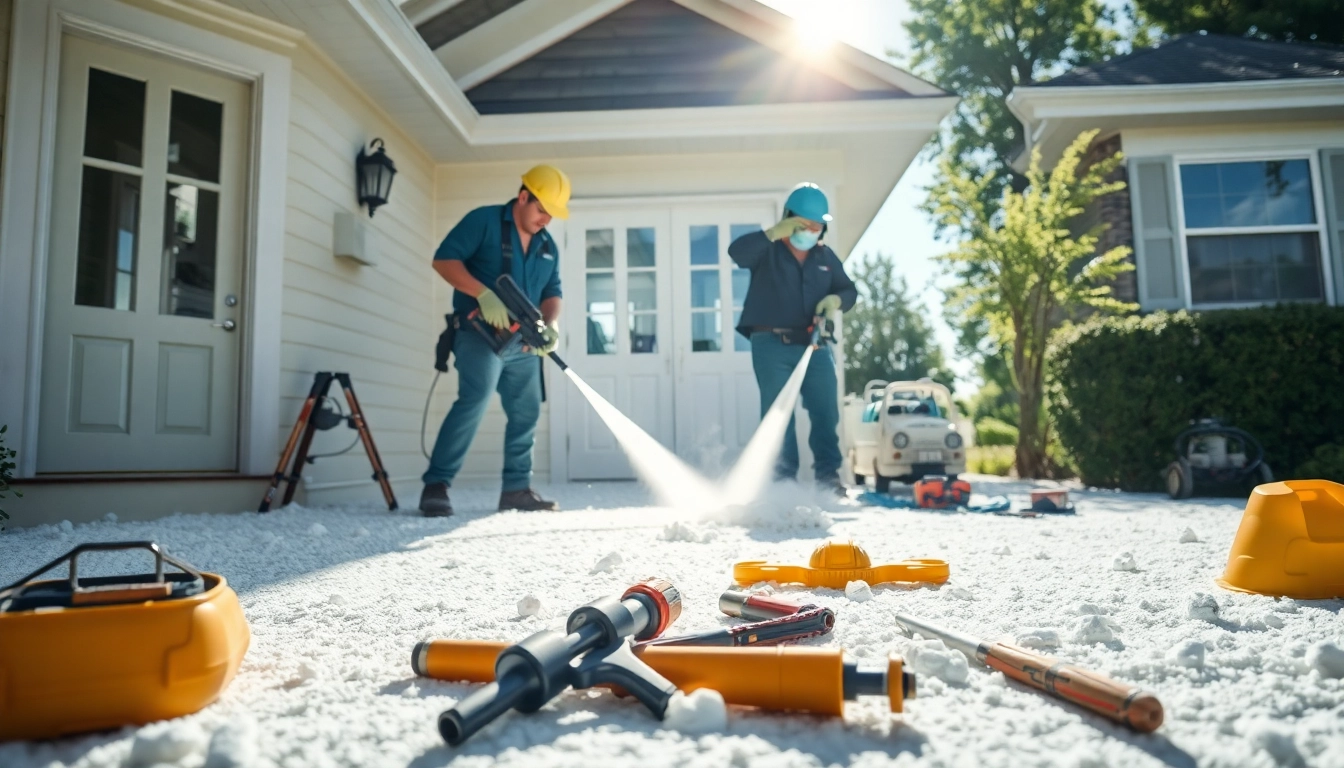
Understanding Spray Foam Removal
What is Spray Foam?
Spray foam is a versatile insulation material that is applied as a liquid and expands to form a solid foam, effectively sealing gaps and providing thermal resistance. Comprised of two primary components—polyurethane and isocyanate—spray foam is highly favored for its superior insulation properties, ability to fill irregular spaces, and exceptional air sealing capabilities. It is commonly used in residential and commercial buildings to improve energy efficiency, enhance comfort, and protect against moisture intrusion.
Why Remove Spray Foam?
While spray foam insulation offers numerous benefits, there are instances when removal becomes necessary. One of the primary reasons for removal is deterioration over time, which can compromise insulation performance and lead to health risks associated with mold and allergens. Additionally, if the spray foam was improperly installed, it could cause structural issues or unwanted odors. Home renovations or changes in energy efficiency standards may further necessitate removal, prompting homeowners to consult with spray foam removal specialists who can ensure proper techniques are employed.
Types of Spray Foam to Consider
There are primarily two types of spray foam insulation: open-cell and closed-cell foam. Open-cell foam is lighter, more affordable, and ideal for interior applications due to its sound-dampening qualities. Conversely, closed-cell foam is denser and provides a higher R-value, making it suitable for exterior walls and moisture-prone areas. When considering removal, understanding the type installed is crucial, as it dictates the removal process and necessary precautions.
Common Challenges in Spray Foam Removal
Identifying Deterioration
Identifying signs of deteriorating spray foam is essential for prompt removal. Look for signs such as discoloration, brittleness, or flaking, which indicate that the foam has lost its efficacy. Additional indicators of moisture accumulation, such as mildew or a musty smell, can signify that the insulation is no longer effective. By detecting these issues early, homeowners can prevent further damage to their property and maintain a healthier living environment.
Tools Needed for Efficient Removal
Efficient spray foam removal requires a set of specialized tools to ensure the process is safe and effective. Commonly used tools include utility knives for cutting foam, heat guns to soften the material, and oscillating multi-tools for precise sections. Safety equipment such as gloves, goggles, and respiratory protection is also critical to guard against airborne particles and gas exposure during the removal process.
Potential Hazards During Removal
The removal process can pose various hazards. The chemical composition of spray foam can release harmful vapors when disturbed, making proper ventilation a top priority. Physical risks include cuts from tools and potential falls due to workspace clutter. Therefore, it is imperative for individuals conducting the removal to adhere strictly to safety protocols and consider hiring professionals to mitigate these risks effectively.
Best Practices for Effective Removal
Preparing the Work Area
Before commencing spray foam removal, thoroughly prepare the work area. This includes clearing furniture, covering floors, and ensuring adequate ventilation to minimize exposure to harmful fumes. Setting clear boundaries with warning signs can also prevent accidents. Properly planning the removal process contributes to efficiency and safety, enabling a structured and organized approach.
Professional Techniques in Removal
Professional spray foam removal specialists utilize a range of techniques tailored to the specific circumstances of each job. This may involve using specialized pneumatic equipment to safely and quickly remove foam without damaging underlying surfaces. Additionally, they apply methods for safe disposal of the material, ensuring that all local regulations regarding waste disposal are followed. Professionals also know how to assess surrounding materials and modify their approach based on the type of foam being removed.
Ensuring Safety and Compliance
Ensuring safety during removal is paramount. Proper training in handling spray foam materials, understanding OSHA guidelines, and adherence to environmental regulations are essential for compliance. It’s advisable to work with certified contractors who are experienced and familiar with best practices to mitigate risks associated with improper handling of materials and tools.
How to Choose the Right Spray Foam Removal Specialists
Evaluating Qualifications and Experience
When selecting spray foam removal specialists, evaluating qualifications and experience is crucial. Check for certifications from recognized industry bodies, which indicate a standard of expertise. Furthermore, experience in handling different types of spray foam and familiarity with various removal techniques can assure quality service. Assessing their background ensures a higher likelihood of successful removal without complications.
Reviewing Customer Testimonials
Customer testimonials provide insight into the quality of service offered by removal specialists. Look for reviews that address timeliness, professionalism, and the effectiveness of the removal process. Positive feedback from previous clients is a good indicator of reliability and customer satisfaction, helping potential customers make informed choices when hiring a contractor.
Requesting Quotes and Estimates
Before proceeding with a specialist, request detailed quotes and estimates. A transparent pricing structure is essential as it helps to avoid unexpected costs down the line. Compare estimates from multiple companies, taking into consideration the services included, warranties offered, and timelines promised. This thorough assessment will allow homeowners to make educated decisions tailored to their budgetary constraints and requirements.
Frequently Asked Questions
What is the average cost of spray foam removal?
The average cost of spray foam removal varies based on several factors, including the type of foam and the area size. Typically, costs can range from $1,500 to $3,500 depending on the complexity of the job.
How long does the removal process take?
The spray foam removal process can take anywhere from a few hours to several days, depending on the extent of the insulation and the conditions of the working area. Professionals typically provide a time estimate during the consultation.
Can I remove spray foam myself?
Although DIY removal is possible, it is not recommended due to safety concerns and the specialized tools required. Improper techniques can lead to damage and health risks, making hiring professionals advisable.
Are there any risks associated with spray foam removal?
Yes, potential risks include exposure to harmful chemicals, physical injuries from tools, and the chance of damaging surrounding structures. Safe practices and proper equipment can mitigate these risks significantly.
How can I prevent foam from being improperly installed?
To prevent improper installation, ensure you hire trained and certified contractors, verify their references, and read reviews. Discuss installation techniques upfront and ensure adherence to local building codes and safety standards.