
- Understanding the Role of a New York City Construction Manager
- Essential Qualifications for a New York City Construction Manager
- Challenges Faced by New York City Construction Managers
- Best Practices for Effective Construction Management
- Future Trends in New York City Construction Management
- Frequently Asked Questions
Understanding the Role of a New York City Construction Manager
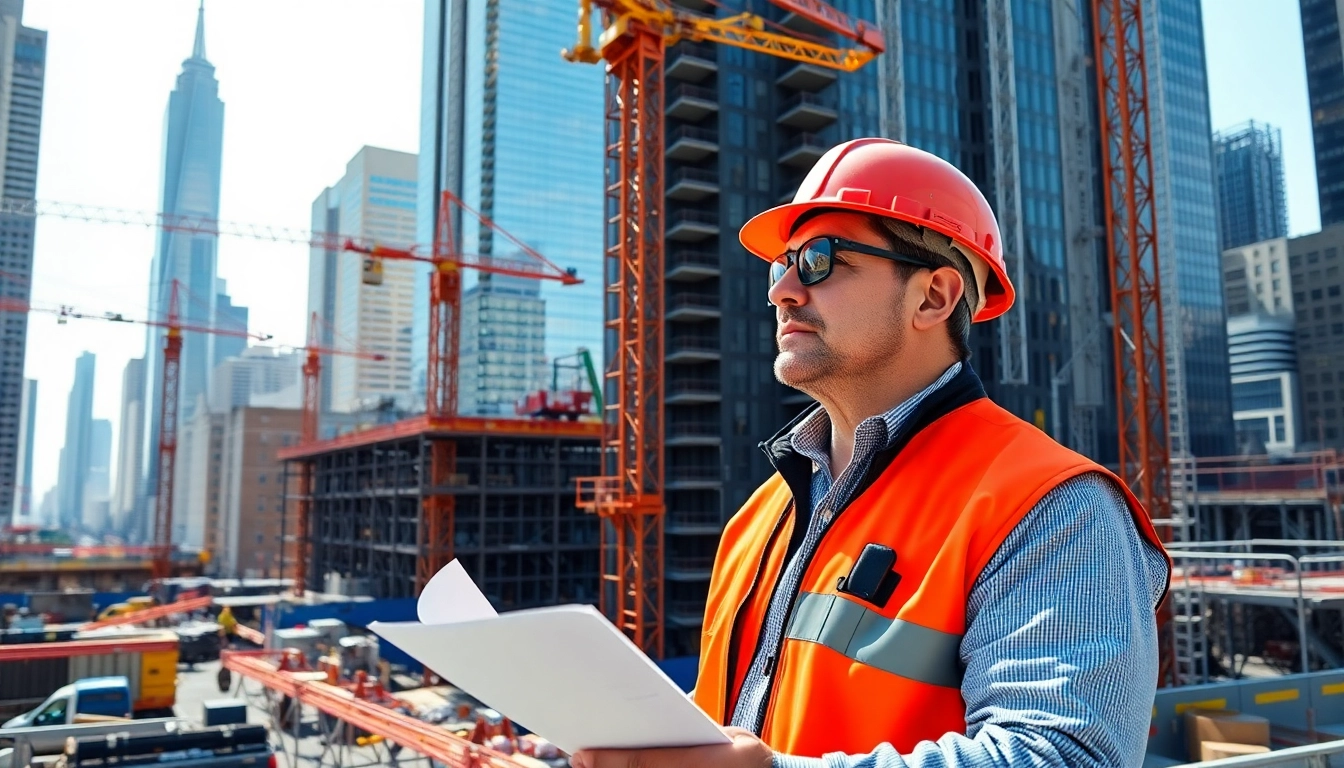
The role of a New York City Construction Manager is crucial within the bustling metropolis, where ambitious architectural projects meet stringent regulatory standards and dynamic urban challenges. A New York City Construction Manager serves as the linchpin between various stakeholders, ensuring that projects are executed efficiently, on budget, and in compliance with high safety standards.
Key Responsibilities and Skills
New York City Construction Managers are responsible for overseeing the entire construction process from inception to completion. This includes planning project phases, managing budgets, coordinating teams, and ensuring quality control. Essential skills include:
- Leadership: Guiding diverse teams and stakeholders towards project goals.
- Communication: Effectively relaying information among clients, contractors, and regulatory bodies.
- Problem-Solving: Navigating unexpected challenges that may arise during construction.
- Technical Proficiency: Understanding architectural plans and construction methodologies.
Importance in Urban Development
New York City is constantly evolving, with a need for sustainable development to accommodate its growing population. The New York City Construction Manager plays a vital role in urban development, as they not only manage resources but also ensure that the infrastructure aligns with municipal standards and community requirements. Their involvement helps to create functional spaces that enhance quality of life while contributing to the city’s architectural legacy.
Building Project Success
Success in construction management is measured by the completion of projects within budget, on schedule, and without significant safety incidents. A skilled New York City Construction Manager will implement project management methodologies that foster collaboration, anticipate risks, and utilize effective resource allocation. Through their expertise, they elevate the standard for excellence in construction across the city.
Essential Qualifications for a New York City Construction Manager
Educational Background
A bachelor’s degree in construction management, civil engineering, architecture, or a related field is typically required. Advanced degrees or specialized certifications can provide a competitive edge. Understanding the fundamentals of construction science and project management principles is critical to shaping informed and capable leaders in this field.
Certifications and Licenses
To enhance their credentials, many aspiring New York City Construction Managers pursue certifications such as the Certified Construction Manager (CCM) or Project Management Professional (PMP). Additionally, they may need to obtain specific licenses depending on the scope of the projects they lead, which emphasizes the importance of staying current with local regulations and industry standards.
Practical Experience Required
Hands-on experience is invaluable in the construction industry. Entry-level positions, internships, or assistant roles provide an excellent foundation. Over time, aspiring managers can take on progressively responsible roles, allowing them to develop a thorough understanding of the construction process and the ability to manage complex projects confidently.
Challenges Faced by New York City Construction Managers
Regulatory Hurdles and Compliance
Navigating the myriad of regulations imposed by city, state, and federal agencies can be challenging. New York City Construction Managers must ensure compliance with zoning laws, building codes, and safety regulations. Failure to adhere to these can result in costly delays and legal complications.
Financial Constraints and Budgeting
Staying within budget is a significant challenge, especially with the rising costs of materials and labor. Effective financial management, including precise forecasting and resource allocation, is necessary to meet financial goals without sacrificing project quality. Construction Managers must be adept at negotiating contracts and finding cost-effective solutions when unexpected expenses arise.
Coordination Among Multiple Stakeholders
Construction projects often involve various stakeholders, including contractors, suppliers, clients, and city officials. Coordinating these groups effectively can mitigate risks and enhance project outcomes. Strong interpersonal skills and clear communication channels are essential for fostering collaboration and addressing concerns promptly.
Best Practices for Effective Construction Management
Implementing Project Management Software
To streamline operations, many successful New York City Construction Managers adopt project management software. These tools facilitate task management, scheduling, budgeting, and collaboration among stakeholders. By utilizing technology, managers can enhance productivity and reduce the likelihood of errors, ultimately leading to smoother project execution.
Effective Communication Strategies
Establishing a communication plan that outlines how information will flow between parties is crucial. Regular meetings, updates, and transparent reporting on project progress can keep everyone informed and aligned. Additionally, fostering a culture of openness encourages team members to voice concerns early, facilitating quicker resolutions.
Risk Management Techniques
Risk identification and mitigation are key elements of successful construction management. Utilizing tools such as risk assessment matrices can help Construction Managers predict potential issues and develop contingency plans. Regularly reviewing and adapting risk strategies ensures the project can proceed with minimal disruptions.
Future Trends in New York City Construction Management
Sustainability Practices
Sustainability is rapidly becoming a focal point in construction management as environmental concerns grow. New York City Construction Managers are increasingly implementing green building practices, which focus on minimizing environmental impact through energy-efficient designs, sustainable materials, and waste reduction strategies. Meeting these modern demands not only benefits the environment but can also enhance the market viability of projects.
Technological Innovations
Emerging technologies are transforming the construction landscape. Innovations such as Building Information Modeling (BIM), drones for site surveys, and augmented reality for design visualization are gaining traction. These technologies promote efficiency, accuracy, and safety on construction sites, allowing managers to make data-driven decisions and optimize workflows.
Adapting to Market Demands
As urbanization continues, the demand for innovative building solutions grows. New York City Construction Managers must remain adaptable, continually refining their strategies to meet changing market needs. By fostering a culture of adaptability within their teams, they can embrace new trends and deliver projects that resonate with modern urban requirements.
Frequently Asked Questions
What is the primary role of a New York City Construction Manager?
The primary role involves overseeing construction projects, ensuring they are completed on time, within budget, and according to safety standards.
What qualifications are necessary for becoming a Construction Manager in NYC?
A bachelor’s degree in construction management or related fields, alongside relevant certifications and experience, is typically required.
How does a Construction Manager ensure project compliance?
A Construction Manager ensures compliance by staying up-to-date with local regulations and conducting regular inspections throughout the project.
What software tools are essential for effective construction management?
Project management software, scheduling tools, and budgeting applications are vital for efficient organization and communication in construction management.
How are sustainability practices implemented in construction projects?
Implementation of sustainability practices includes using eco-friendly materials, energy-efficient designs, and waste reduction strategies throughout the project lifecycle.