
Understanding Flooring LVP
What is Flooring LVP?
Flooring LVP, or Luxury Vinyl Plank flooring, is a modern and versatile flooring solution designed to mimic the aesthetics of natural materials like wood and stone while providing practical benefits. Engineered from high-quality vinyl, LVP combines a layered structure that enhances durability and water resistance, making it an ideal choice for various residential and commercial spaces. This innovative flooring option has gained popularity among homeowners seeking an economical yet stylish flooring alternative.
Key Benefits of Flooring LVP
Flooring LVP offers an array of benefits that appeal to both aesthetic preferences and functional requirements. The key advantages include:
- Water-Resistance: Most flooring LVP is waterproof, ensuring it withstands spills and moisture, making it perfect for kitchens and bathrooms.
- Durability: Designed to endure heavy traffic, flooring LVP is resistant to scratches, indentations, and staining, ensuring it retains its appeal over many years.
- Easy Installation: With various installation methods—including click-lock and glue-down options—it’s a straightforward process for both professionals and DIY enthusiasts.
- Low Maintenance: Unlike hardwood or carpet, flooring LVP requires minimal maintenance, needing just regular sweeping and occasional mopping to keep it clean.
- Affordability: Generally more cost-effective than authentic hardwood or stone flooring, flooring LVP offers a budget-friendly solution without compromising aesthetic quality.
Choosing the Right Flooring LVP
When selecting flooring LVP, consider factors such as plank thickness, wear layer, and design. Thicker planks generally provide better sound insulation and durability. The wear layer thickness is crucial; thicker layers resist scratches and wear, hence extending the lifespan. Additionally, explore various styles and colors to find a design that complements your home decor and personal taste. Consult resources such as flooring lvp for upscale design inspirations.
Design Ideas for Your Space
Integrating Flooring LVP in Different Styles
Flooring LVP seamlessly integrates into various design styles. From rustic to modern, it can enhance the visual appeal of any space:
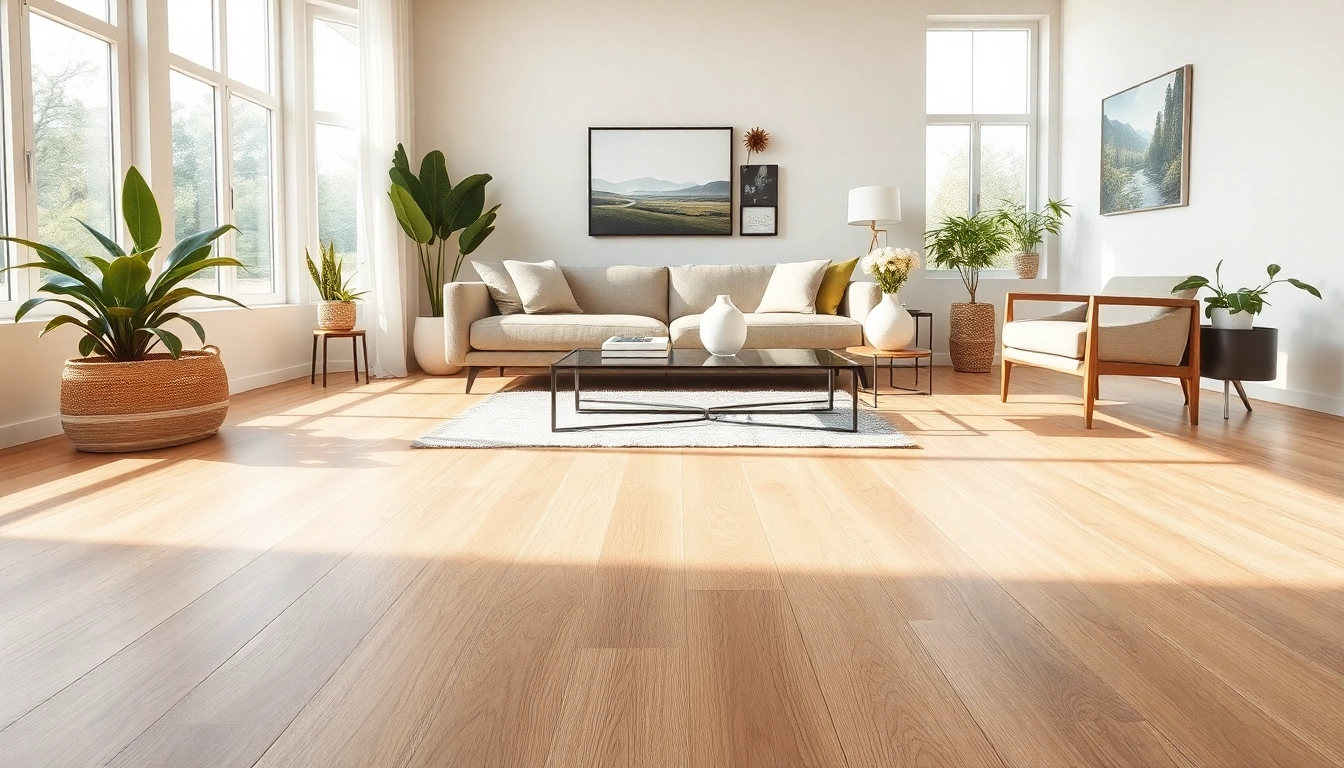
- Modern Minimalism: Opt for light-colored LVP that mimics light oak or ash wood to reflect natural light, enhancing the airy atmosphere typical of modern design.
- Rustic Charm: Choose darker, textured LVP resembling reclaimed wood to add warmth and character to cozy, farmhouse-style interiors.
- Industrial Feel: Select LVP that imitates concrete or weathered wood to harmonize with exposed brick and metal elements often found in industrial spaces.
Flooring LVP Color Coordination Tips
Choosing the right color for your flooring LVP can either make or break the overall aesthetics of a room. Here are some tips:
- Consider the lighting: Natural light can drastically change how colors appear, so test samples during different times of day.
- Use a color wheel: If you’re uncertain, use complementary colors to create a balanced look, marrying vibrant furniture with neutral flooring.
- Go with trends: Neutral shades remain timeless, while bold tones or patterns can offer a current twist, especially in active settings.
Layering Furniture with Flooring LVP
Layering furniture on flooring LVP can create a cohesive and inviting environment. Utilize area rugs for textural contrast, or select furniture pieces in colors that pop against the LVP backdrop. This approach not only defines space but also protects high-traffic areas. Consider lighter furniture for darker planks to create visual interest and avoid overpowering the space.
Installation Process
Preparing for Flooring LVP Installation
Your installation’s success begins with proper preparation. Ensure the subfloor is clean, dry, and level to guarantee optimal adhesion and lifespan. Remove old flooring where necessary, and consider acclimating the planks according to the manufacturer’s guidelines, typically for 48 hours prior to installation to prevent expansion or contraction.
Step-by-Step Guide to Installing Flooring LVP
Follow these steps for a successful installation:
- Measure the Area: Calculate the total square footage to purchase the correct amount of LVP.
- Prepare the Subfloor: Ensure it is smooth and free from debris, as mentioned previously.
- Install Underlayment: If using a floating floor, lay down underlayment to enhance comfort and soundproofing.
- Lay the Planks: Start from one corner and work your way across the room. Ensure proper alignment and use spacers for expansion gaps.
- Trim and Clean: Once all planks are installed, cut the excess and clean up any debris to reveal a polished finish.
Common Mistakes to Avoid
Even with careful preparation, mistakes can happen. Here are some common installation pitfalls to avoid:
- Skipping acclimation: Neglecting to acclimate planks can lead to warping.
- Inaccurate measurements: Always double-check measurements to prevent excess cutting and wastage.
- Poor subfloor preparation: Failing to address uneven floors can lead to early wear and movement of planks.
Maintenance and Care
Cleansing Techniques for Flooring LVP
Proper cleaning techniques are essential for maintaining your flooring LVP. Use a broom or vacuum to remove dirt and debris. When mopping, a damp mop with a pH-neutral cleaner works best, avoiding harsh chemicals that could harm the surface. Regular maintenance extends the aesthetic appeal and performance lifetime of your flooring.
Protecting Your Flooring LVP
To protect your flooring LVP, consider placing felt pads under furniture legs to prevent scratches and using area rugs in high-traffic areas. Regularly inspect the flooring for any signs of damage, and promptly address any spills to avoid discoloration or staining.
When to Replace Flooring LVP
Despite its durability, flooring LVP may require replacement when significant signs of wear or damage appear. Consider replacing the flooring when you notice deep scratches, warping, or discoloration caused by heavy traffic or moisture. Timely replacement is crucial for both safety and aesthetics.
Frequently Asked Questions
What is the lifespan of flooring lvp?
Flooring LVP typically lasts 20 to 30 years with proper care and maintenance.
Can flooring lvp be installed over existing flooring?
Yes, in many cases, flooring LVP can be installed over existing floors as long as they are level.
Is flooring lvp waterproof?
Most flooring LVP varieties are waterproof, making them ideal for kitchens and bathrooms.
How do I clean flooring lvp?
Cleaning flooring LVP can be done with a damp mop and mild detergent; avoid harsh chemicals.
Can flooring lvp be refinished?
No, flooring LVP cannot be refinished, but it can be replaced if damaged.