
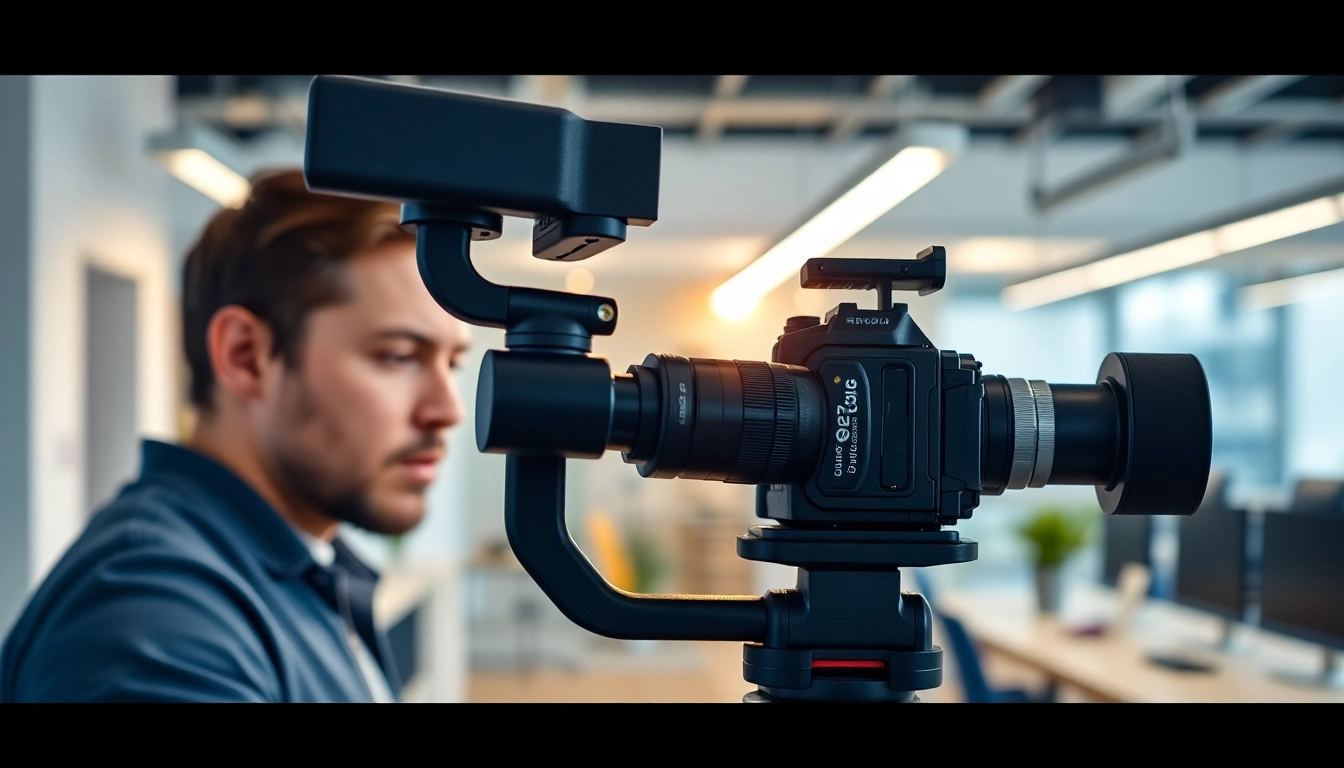
Understanding Commercial Videography
Definition of Commercial Videography
Commercial videography refers to the production of video content specifically designed for promoting a business or its services. Unlike personal or amateur videography, commercial videography is strategically crafted to resonate with target audiences, fostering brand awareness and driving consumer behavior. This medium includes everything from promotional videos and advertisements to training materials and corporate documentary films. The goal is to convey a brand’s message through compelling visual storytelling and high-quality production.
Importance of Visual Storytelling
Visual storytelling has gained paramount importance in today’s digital landscape. As attention spans decrease and audiences become more discerning, businesses must engage their potential customers with narratives that capture their interest quickly. Commercial videography offers an avenue for brands to present their stories in a visually engaging manner. A well-crafted video can evoke emotions, create memorable impressions, and enhance message retention. As viewers increasingly favor video content over static images or text, investing in Commercial videography becomes a critical strategy for organizations aiming to stay relevant and competitive.
Common Applications in Business
The applications of commercial videography are extensive and can be tailored to various business needs. Key applications include:
- Advertising: Promotional videos help brands to connect with their audience through compelling narratives that showcase products or services.
- Corporate Communications: Internal training videos and updates on company news facilitate better engagement among employees.
- Event Coverage: Documenting company events not only commemorates milestones but also showcases corporate culture to potential clients.
- Social Media Content: Short, impactful videos tailored for platforms like Instagram, Facebook, and LinkedIn enhance brand visibility and engagement.
- Testimonial Videos: Featuring customer experiences builds trust and credibility, persuading potential customers to make informed purchase decisions.
Key Components of Effective Commercial Videography
Equipment Essentials for Quality Production
The quality of a commercial video largely depends on the equipment used in its production. Essential tools include:
- Cameras: High-definition cameras, such as DSLRs or mirrorless cameras, are preferred for their adaptability and image quality.
- Lighting Equipment: Effective lighting is crucial for achieving professional-looking videos. Softbox lights, LED panels, and reflectors are commonly employed.
- Microphones: Good audio is paramount; thus, using lapel or shotgun microphones can significantly improve sound quality.
- Stabilizers: Equipment like gimbals and tripods keeps shots steady and visually appealing, reducing the risk of shaky footage.
- Editing Software: High-quality editing software is necessary for post-production work, enabling thorough editing and enhancements to create polished final products.
Scripting and Planning Your Video
A successful commercial video begins with meticulous planning and a well-defined script. The scripting process should encompass:
- Setting Objectives: Identify the goals of the video—what message do you want to convey, and what action do you want viewers to take?
- Identifying the Audience: Understanding who your target audience is will help frame the narrative style and content type.
- Creating a Storyboard: Visualizing each scene through storyboards can help streamline production and ensure all necessary shots are captured.
- Writing the Script: Write clear and engaging dialogue that resonates with the audience while also keeping the brand message in focus.
Understanding Cinematic Techniques
Cinematic techniques can elevate your video from mundane to exceptional. Key techniques include:
- Camera Angles: Experiment with different angles to create dramatic effects that complement the narrative.
- Shot Composition: Utilize techniques such as the rule of thirds to create visually appealing frames.
- Movement: Panning, tilting, and zooming adds dynamism to videos, providing a more engaging viewer experience.
- Transitions: Seamless transitions between shots maintain the flow of the video and enhance viewer retention.
Crafting a Compelling Video Narrative
Elements of a Strong Video Story
Crafting a compelling narrative is at the heart of effective commercial videography. Important elements to consider include:
- Characters: Introducing relatable characters can help forge an emotional connection with the audience.
- Conflict: Present a challenge that reflects the audience’s own problems, making the narrative more engaging.
- Resolution: Conclude the story by showcasing how your product or service provides a solution, reinforcing its value.
- Emotion: Tugging at the viewers’ emotions through humor, nostalgia, or inspiration increases relatability and fosters connection.
Engaging Your Audience: Styles and Formats
Choosing the right style and format for your video can significantly influence audience engagement. Popular styles include:
- Documentary: Offers a factual exploration of a topic, which can enhance credibility.
- Narrative: Utilizes storytelling techniques to create a plot that unfolds over the video.
- Instructional: Focuses on educating the audience about a specific aspect of the business or product.
- Testimonial: Features real customers sharing their positive experiences, providing powerful social proof.
Incorporating Brand Messaging Strategically
Effective brand messaging should be seamlessly integrated into the narrative. This involves:
- Consistent Branding: Use logos, color schemes, and taglines consistently throughout the video to reinforce brand identity.
- Subtle Messaging: Avoid overt sales messaging; instead, weave the product naturally into the storyline.
- Call to Action: Conclude with a clear call to action, guiding viewers on the next steps they should take after watching the video.
Post-Production Techniques for Enhanced Impact
Editing Software: Choosing the Right Tools
Post-production is where the magic happens, refining raw footage into a polished final product. Popular editing software includes Adobe Premiere Pro, Final Cut Pro, and DaVinci Resolve, each offering unique features that cater to different editing styles and needs. Selecting the right tool depends on your editing experience, project requirements, and budget. Familiarity with the software can significantly reduce editing time and facilitate greater creativity in video production.
Sound Design and Music Incorporation
Sound design is crucial in enhancing the overall quality of a commercial video. This includes:
- Music Selection: Choose background music that complements the mood of the video. Ensure you have the right licenses for any music used.
- Audio Effects: Incorporate sound effects that enhance the storytelling and make scenes more dynamic.
- Voiceovers: Utilize professional voiceover talent for narration to ensure clarity and engagement.
- Sound Mixing: Balance all audio elements to create a harmonious soundscape, ensuring dialogue is clearly audible.
Color Grading for Branding Consistency
Color grading is an essential post-production technique that can profoundly affect the mood and tone of your video. This process involves adjusting colors in the footage to create a cohesive look that aligns with your brand identity. Key aspects of color grading include:
- Establishing a Color Palette: Determine a set of colors that resonate with your brand and use them consistently to create brand recognition.
- Mood Enhancement: Use color grading to elicit specific emotions in viewers, strengthening the narrative experience.
- Consistency Across Videos: Ensure that all videos maintain similar color schemes to provide a unified brand experience.
Measuring Success and ROI of Commercial Videography
Establishing Key Performance Indicators
Measuring the success of a commercial video involves setting clear Key Performance Indicators (KPIs). Common KPIs include:
- Views: Track the number of views to gauge initial interest in your content.
- Engagement Rate: Analyze likes, shares, and comments to assess how viewers are interacting with your video.
- Conversion Rate: Monitor how many viewers take action after watching, such as signing up or making a purchase.
- Audience Retention: Evaluate how long viewers are watching, as higher retention typically indicates compelling content.
Tools for Analyzing Video Performance
Several tools are available for analyzing the performance of commercial videos. Google Analytics, social media analytics tools, and video-specific platforms like YouTube Analytics provide insights into viewer behavior and engagement patterns. These tools enable companies to assess what content resonates most with their audience and adjust future video strategies accordingly.
Understanding Viewer Engagement Metrics
Viewer engagement metrics offer a data-driven insight into the effectiveness of your commercial video. Important metrics to consider include:
- Click-Through Rate (CTR): A high CTR indicates that your video has successfully enticed viewers to take action.
- Social Shares: Monitoring how often your video is shared can highlight its impact and reach across platforms.
- Feedback and Comments: Analyze viewer feedback to understand their perceptions and gather valuable insights for improvement.
- demographic Insights: Understanding who your viewers are, including age and location, can tailor future content to your audience’s preferences.
Conclusion
In the digital age, commercial videography serves as a powerful tool for brands looking to engage their audiences through compelling visual storytelling. By understanding the fundamental components of effective videography, utilizing key cinematic techniques, and employing strategic post-production methods, businesses can create captivating video content that resonates with viewers. As measurement tools become increasingly sophisticated, brands that embrace data-driven strategies for video performance will not only elevate their messaging but also enhance their overall brand presence in the market.
Frequently Asked Questions (FAQs)
What is commercial videography?
Commercial videography is the production of videos aimed at promoting a business’s products or services. It focuses on brand storytelling and audience engagement.
How is visual storytelling important in commercial videography?
Visual storytelling engages audiences emotionally and helps retain messages, making it vital for effective communications and brand recognition.
What equipment do I need for commercial videography?
You will need a high-definition camera, quality microphones, lighting equipment, stabilizers, and professional editing software to ensure top-quality production.
Why is post-production important in videography?
Post-production is crucial for editing, sound design, color grading, and adjusting footage to create a polished final product that aligns with the brand message.
How can I measure the success of my commercial video?
You can measure success through KPIs such as views, engagement rates, conversion rates, and audience retention to assess effectiveness and audience response.