
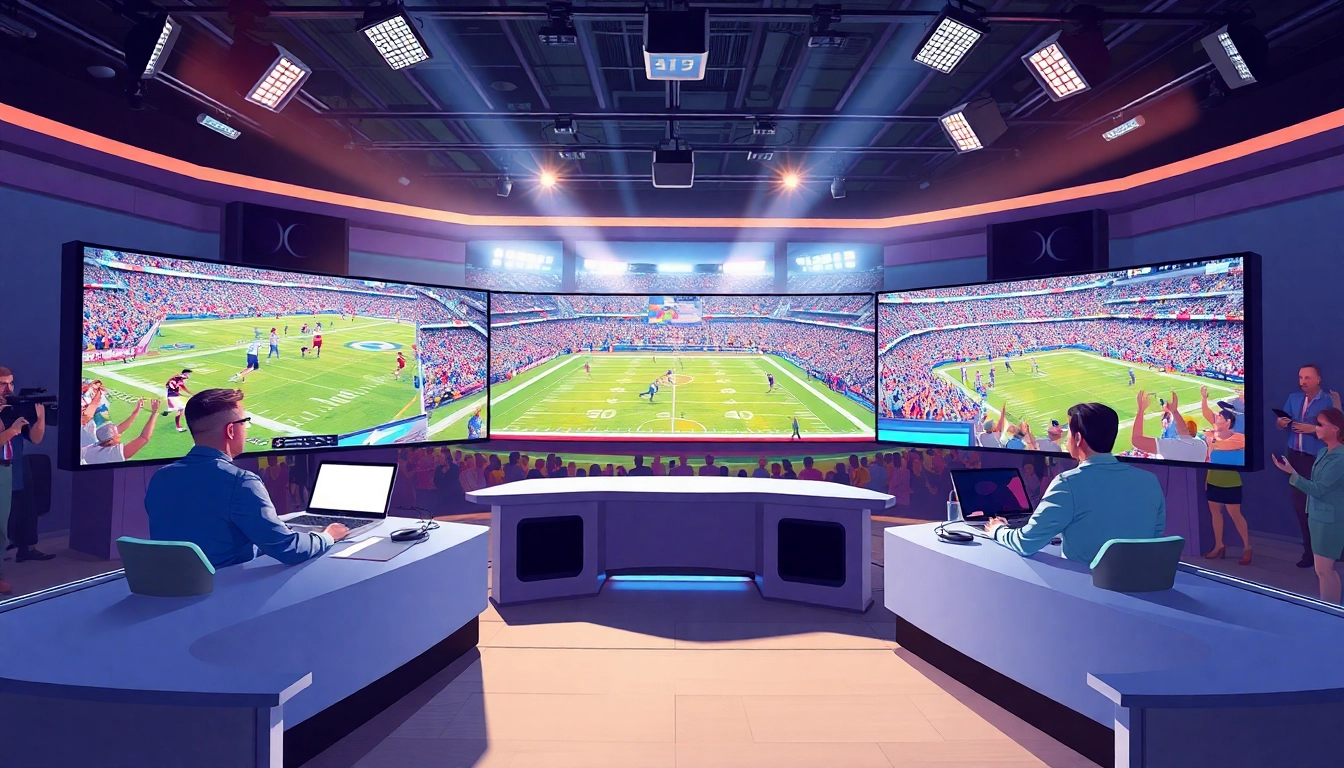
Understanding the Basics of Sports Broadcasting
What is Sports Broadcasting?
Sports Broadcasting is the dissemination of live sports events and related content via television, radio, and digital platforms. It serves as the bridge between sporting events and audiences, allowing fans to enjoy their favorite games and connect with teams and players, regardless of location. With advancements in technology, Sports Broadcasting has evolved, offering multi-platform viewing experiences and interactive features that enhance audience engagement and satisfaction.
Key Components of Sports Broadcasting
The key components of Sports Broadcasting include production, distribution, and presentation. Production encompasses all elements related to filming the events, including camera work, commentary, and analysis. Distribution involves the technology and networks through which content is delivered to viewers, including satellite and streaming services. Presentation refers to how the content is packaged and styled, including graphics, replays, and commentary styles, aiming to create an immersive viewing experience.
The Evolution of Sports Broadcasting
Sports Broadcasting has undergone significant transformations since its inception in the early 1900s. The initial broadcasts were limited to radio and provided simplified commentary on major events. Television introduced the ability to visually engage fans, leading to more elaborate camera work and production techniques. The rise of cable networks expanded coverage options, while the internet revolution marked the advent of streaming, allowing viewers greater choice and flexibility. Today, Sports Broadcasting continues to evolve with innovations like 4K resolution and live-streaming on mobile devices, encapsulating the ever-changing landscape of viewer preferences.
The Role of Technology in Sports Broadcasting
Emerging Technologies in Sports Broadcasting
Emerging technologies significantly influence how sporting events are broadcast. From high-definition video feeds to augmented reality (AR) overlays that enhance viewer experience, technology plays a critical role in engagement. Live stats, player tracking, and data visualization provide real-time information that enriches the narrative of the events while interactive features allow viewers to choose camera angles or stats to follow, keeping them enthralled.
Impact of Social Media on Sports Broadcasting
Social media has transformed Sports Broadcasting by offering platforms for real-time interaction between fans, players, and analysts. Channels like Twitter and Instagram allow networks to share highlights, engage fans, and drive conversations during live events. As teams and athletes increasingly utilize social media for marketing and broadcasting, the lines between traditional broadcasting and fan engagement blur, prompting networks to innovate their strategies to maintain viewer interest.
Advanced Equipment for Quality Sports Broadcasting
High-quality broadcasting relies heavily on sophisticated equipment. Multi-camera setups, drones for aerial shots, and 360-degree cameras are common tools that enhance event coverage. Additionally, advances in audio technology enable clearer commentary and sound effects, contributing to the overall quality of the viewing experience. To keep up with viewer expectations, broadcasters must continually invest in state-of-the-art gear and training for crews.
Strategies for Effective Sports Broadcasting
Audience Engagement Techniques
Engaging an audience during a live sports event arises from delivering not just the game but an experience. Techniques such as audience polling and interactive commentary create an inviting atmosphere. Involving viewers through social media discussions and live Q&As enriches the community feeling among fans and enhances loyalty to the broadcaster.
Building a Strong Brand in Sports Broadcasting
Establishing a strong brand involves consistency in communication and content quality. Brands like sports networks cultivate their identity through unique graphics packages, memorable commentary styles, and strategic partnerships with teams and leagues. A clear brand identity resonates with audiences, fostering loyalty and encouraging wider viewership through positive associations.
Analyzing Viewer Metrics for Improvement
Using analytics tools, broadcasters can gain insights into viewer preferences, peak viewing times, and engagement levels. This data is crucial for refining content delivery, whether that means reshaping commentary styles, adjusting scheduling, or enhancing interactive elements. Regular analysis ensures that networks remain dynamic and responsive to audience needs.
Challenges in Sports Broadcasting
Legalities and Compliance in Sports Broadcasting
Licensed rights and legal compliance form a crucial part of Sports Broadcasting. Networks must navigate complex broadcasting agreements, securing rights for specific events while adhering to copyright laws. Failure to comply can lead to significant legal ramifications, emphasizing the need for thorough legal understanding and expertise in broadcasting environments.
Technical Difficulties During Live Broadcasts
Live broadcasts are prone to technical difficulties that can disrupt the viewer experience, from signal loss to equipment failures. Immediate troubleshooting strategies, including backup systems and parallel feeds, are essential for minimizing interruptions. Planning for technical issues by conducting pre-broadcast tests can mitigate these risks, ensuring a smoother experience for audiences.
Maintaining Audience Interest Across Platforms
Viewers today consume content across diverse platforms, from traditional television to social media apps. To retain interest, broadcasters must develop cross-platform strategies that ensure content is consistently engaging, regardless of the medium. Offering unique features on each platform, such as extra commentary on social media during live events, encourages viewers to engage with multiple channels simultaneously.
Future Trends in Sports Broadcasting
Predicting the Future of Viewing Experiences
As technology continues to advance, the future of Sports Broadcasting foresees an immersive experience through personalized viewing options. Viewers may have unprecedented control over their broadcasts, such as choosing which commentator to listen to or which camera angle to focus on. This evolution fosters a more personalized connection between audiences and the events they watch.
The Rise of Virtual Reality in Sports Broadcasting
Virtual Reality (VR) is emerging as a transformative force in Sports Broadcasting, enabling viewers to enjoy games from immersive perspectives. Fans can put on VR headsets and feel as if they’re part of the crowd or even on the field. This technology is still developing but has the potential to revolutionize how viewers experience sports, making it a crucial area for broadcasters to explore.
Potential Impacts of AI on Sports Broadcasting
Artificial Intelligence (AI) promises to enhance Sports Broadcasting by automating tasks, analyzing data, and providing audience insights. From generating highlight packages in real-time to predicting viewer preferences based on past behavior, AI can streamline operations while enhancing viewer engagement. The future may see AI play an integral role in how sports stories are told and audiences are reached.
Frequently Asked Questions
What is sports broadcasting?
Sports broadcasting refers to the transmission of live sports events via television, radio, or online platforms, enabling fans to watch and engage with their favorite sports from anywhere.
How has technology changed sports broadcasting?
Technology introduced high-definition feeds, social media integration, and enhanced interactivity. Viewers can now enjoy real-time stats, choose camera angles, and participate in live discussions during events.
What are the challenges in sports broadcasting?
Major challenges include legal compliance, technical reliability during live broadcasts, and the need to keep audiences engaged across various platforms.
How important is audience engagement in sports broadcasting?
Audience engagement is crucial for retaining viewership. Techniques like polls, interactive commentary, and social media integration keep fans involved and loyal to their chosen broadcaster.
What does the future hold for sports broadcasting?
The future of sports broadcasting is set for innovation with VR and AI technologies, offering personalized experiences and interactive engagement options for viewers.