
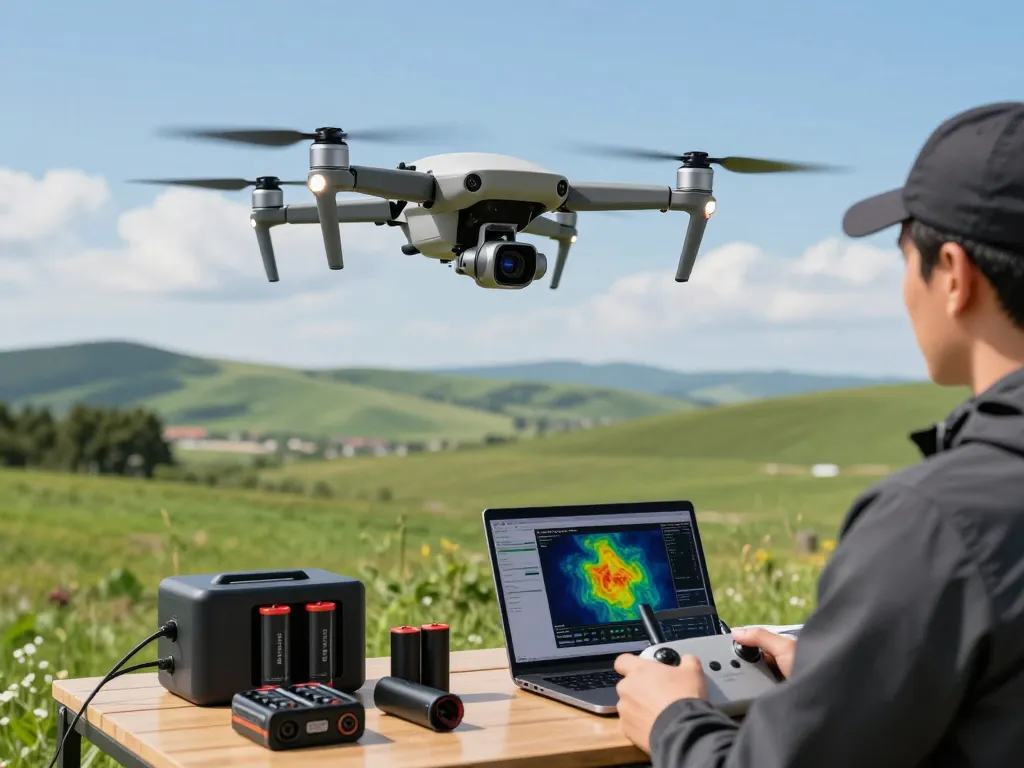
Understanding Drone con Termocamera Technology
In recent years, the integration of drone technology with thermal imaging has revolutionized various industries. Drones equipped with thermal cameras, known as drone con termocamera, provide professionals with an unparalleled tool for data collection, analysis, and management. These advanced devices can detect temperature variations, making them invaluable for tasks ranging from search and rescue operations to agricultural monitoring and building inspections.
What is a Thermal Camera and How It Works?
A thermal camera detects heat emitted by objects and converts it into images. Unlike standard cameras that rely on visible light, thermal cameras operate within the infrared spectrum, allowing them to visualize heat differences between various surfaces. This technology works by capturing infrared radiation and translating it into recognizable images; warmer objects appear brighter, while cooler areas are depicted as darker shades. The fundamental function of a thermal camera is to measure temperature variations, which proves vital in many applications.
Benefits of Using Drones with Thermal Cameras
- Enhanced Safety: Drones with thermal imaging capabilities can operate in hazardous environments, such as disaster zones or areas with reduced visibility, significantly enhancing the safety of emergency responders.
- Increased Efficiency: The ability to cover large areas quickly makes drones invaluable in operations like search and rescue or inspections. They can identify problems faster than traditional methods, such as ground surveys.
- Cost-Effectiveness: Using drones reduces the need for extensive manpower and expensive equipment, lowering the costs associated with inspections and monitoring.
- Real-Time Data Acquisition: Drones provide immediate feedback, allowing for swift decision-making based on current data.
Key Features to Look for in a Thermal Drone
When selecting a thermal drone, it’s crucial to consider features that will enhance its functionality:
- Camera Resolution: Higher resolution cameras offer clearer images and more detailed analysis.
- Battery Life: A longer battery life extends operational windows, particularly important for large-scale surveys.
- Payload Capacity: Ensure the drone can handle additional equipment, such as high-quality thermal cameras or sensors.
- Flight Range: The ability to cover greater distances is beneficial for extensive operations.
- Software Compatibility: Check if the drone integrates with data processing software for effective analysis.
Applications of Drone con Termocamera in Various Industries
The versatility of drones with thermal imaging capabilities has led to widespread adoption across diverse sectors:
Search and Rescue Operations
In emergency situations, drones equipped with thermal cameras can locate missing persons more rapidly than traditional search methods. The ability to detect heat signatures can be especially beneficial in low-light or challenging weather conditions. Agencies employing drone con termocamera technology can save lives by significantly reducing the time needed to locate individuals in distress.
Building Inspections and Maintenance
Drones can monitor buildings for structural integrity by identifying potential issues such as leaks, insulation failures, or electrical hotspots. Using thermal imaging, inspectors can quickly locate problem areas without extensive scaffolding or ladders, improving safety and efficiency. Regular drone inspections can prolong the lifespan of buildings and reduce maintenance costs.
Agricultural Monitoring and Management
Farmers are increasingly incorporating thermal drones to assess crop health, monitor irrigation systems, and identify pest infestations. By detecting temperature variations in plant foliage, farmers can make informed decisions about resource allocation, ultimately leading to higher yields and reduced waste. Additionally, drone technology can facilitate the analysis of large agricultural areas in a fraction of the time compared to traditional methods.
Choosing the Right Drone con Termocamera for Your Needs
When considering investing in a drone with thermal imaging capabilities, it’s essential to evaluate various factors to ensure you make the right choice:
Comparing Popular Models and Brands
The market for thermal drones is competitive, with numerous models available. Some of the top-rated brands include DJI, Autel, and Parrot, each offering unique features tailored for different industries. Comparing specifications, customer reviews, and price points will help in selecting the drone that best suits your requirements.
Cost Considerations and Budgeting
While investing in a drone con termocamera can represent a significant expense, the return on investment can be substantial through savings in operational costs and increased efficiency. It’s advisable to consider not only the initial purchase price but also ongoing maintenance costs, software subscriptions, and any additional equipment needed for your specific use case.
Understanding Regulatory Requirements
Before deploying a thermal drone, familiarize yourself with local regulations and licensing requirements. In many regions, operating drones commercially necessitates FAA certification or equivalent local authority documentation. Adhering to regulatory guidelines ensures safe and legal drone operations.
Real-World Case Studies of Drone con Termocamera Usage
Examining successful applications of thermal drones can provide valuable insights into their potential:
Successful Implementation in Emergency Services
Case studies from organizations like fire departments have demonstrated the effectiveness of thermal drones in locating hot spots in wildfires or assessing structural integrity following disasters. These real-time assessments aid in strategic planning and resource allocation, showcasing the life-saving potential of drone technology.
Innovative Uses in Environmental Monitoring
Environmental agencies are leveraging thermal drones to monitor wildlife, track illegal poaching, and oversee habitat restoration efforts. By capturing temperature variations in habitats, researchers can gather crucial data to inform conservation strategies and assess ecological health.
Case Studies from the Agriculture Sector
Farmers who have adopted thermal drone technology report significant improvements in crop management practices. For instance, drones can identify water stress in crops, allowing for targeted irrigation efforts that save water and improve yields. By assessing crop conditions from the air, farmers can make timely decisions that enhance productivity and sustainability.
Future Trends in Drone con Termocamera Technology
The future of thermal drones looks promising, driven by continuous technological advancements and innovations:
2026 and Beyond: What to Expect from Thermal Imaging Drones
As drone technology evolves, we can anticipate features such as improved battery life, enhanced camera resolutions, and advanced data analytics capabilities. The integration of artificial intelligence (AI) will likely play a significant role in automating data interpretation and analysis, further enhancing efficiency and accuracy in various applications.
Emerging Technologies That Will Influence Drone Capabilities
Emerging technologies, such as 5G connectivity, will enable real-time data transmission and improve drone responsiveness. Additionally, developments in autonomous navigation and obstacle avoidance will expand the operational scope of thermal drones, making them even more effective in complex environments.
Expert Insights on the Evolving Market
Industry experts predict a surge in demand for drones with thermal imaging capabilities across sectors such as construction, agriculture, and emergency services. As businesses recognize the competitive advantages that drone technology offers, we can expect innovation and investment to flourish in this sector, resulting in new applications and functionalities.