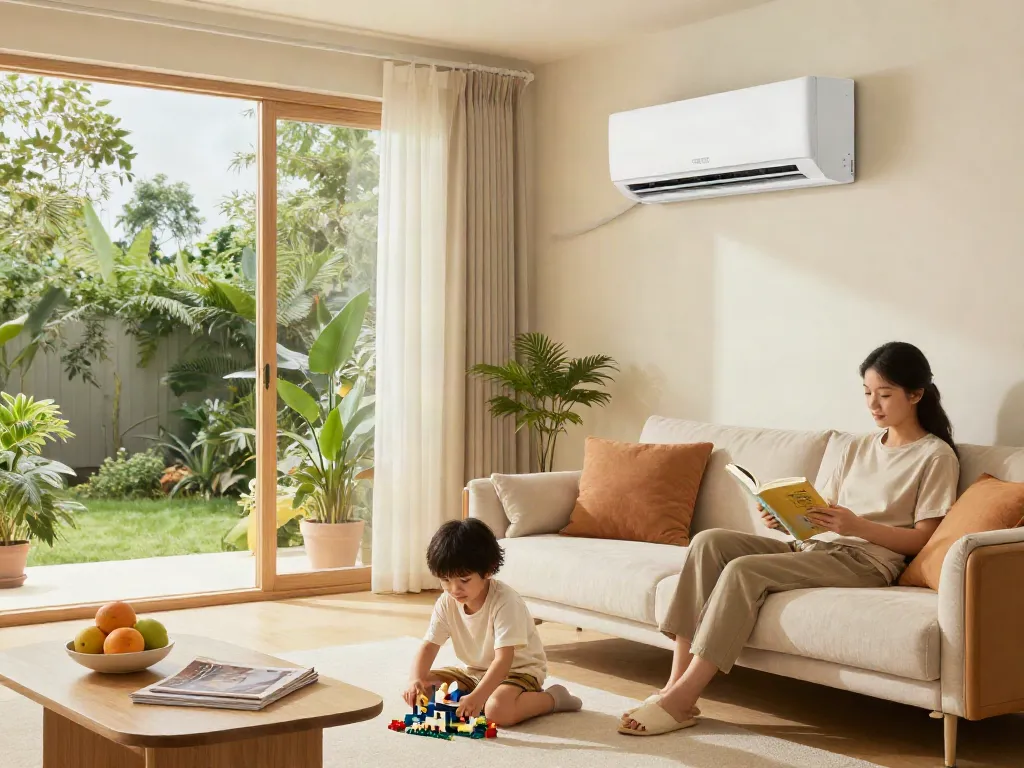
Understanding 2400 BTU Mini Split Systems
As the demand for efficient and cost-effective heating and cooling solutions grows, homeowners increasingly turn to mini split systems. Among these, the 2400 btu mini split stands out as a viable option for those seeking to regulate their home environment effectively. This technology is particularly appealing due to its ability to cater to specific zoning requirements while offering energy efficiency and comfort.
What is a 2400 BTU Mini Split?
A 2400 BTU mini split is a ductless air conditioning and heating system designed to provide flexible climate control in various spaces. The "BTU" stands for British Thermal Unit, a measure of thermal energy. A unit rated at 24000 BTUs is powerful enough to cool or heat spaces around 1000 to 1500 square feet, making it ideal for medium to large rooms.
How Does a Mini Split Work?
Mini split systems consist of two main components: an outdoor condenser and one or more indoor air-handling units. The outdoor unit houses the compressor and condenser, while the indoor unit contains the evaporator. Refrigerant circulates between these two units; when the indoor unit absorbs heat from the air, it cools the space, and when it releases heat, it warms the space. This setup allows for efficient temperature control without the need for ductwork.
Benefits of Using a 2400 BTU Mini Split for Your Home
Choosing a 2400 BTU mini split system offers numerous advantages:
- Energy Efficiency: Mini splits operate at higher efficiency levels compared to traditional HVAC systems, which can lead to substantial savings on energy bills.
- Flexible Installation: Their ductless design allows for a variety of installation options, adapting easily to different architectural settings.
- Zone Control: Homeowners can set different temperatures for different rooms, ensuring comfort throughout the house while reducing unnecessary energy consumption.
- Quiet Operation: Most mini splits run quietly, making them suitable for bedrooms and other quiet spaces.
Key Features to Look for in a 2400 BTU Mini Split
Energy Efficiency Ratings Explained
When selecting a mini split system, understanding energy efficiency ratings is crucial. The Seasonal Energy Efficiency Ratio (SEER) measures the cooling efficiency, while the Heating Seasonal Performance Factor (HSPF) assesses heating efficiency. A higher SEER and HSPF indicate greater efficiency and lower energy consumption, translating to cost savings over time.
Noise Levels and Comfort
Noise levels are a significant consideration for any HVAC system. A good mini split should operate at low noise levels, typically measured in decibels (dB). Units with a rating of 20-30 dB are considered whisper-quiet and suitable for indoor environments where tranquility is essential, such as bedrooms or home offices.
Smart Technology Integration for Modern Living
Today's mini split systems often come equipped with smart technology features. Remote access via smartphone applications allows users to control settings from anywhere, optimizing energy use and enhancing convenience. Many units are now compatible with smart home systems, integrating seamlessly into your existing technology for added control and efficiency.
Installation and Maintenance Considerations
DIY vs Professional Installation: What to Choose?
Deciding between DIY installation and hiring a professional can significantly impact the performance of your 2400 BTU mini split. While a DIY approach may save costs upfront, improper installation can lead to efficiency losses and expensive repairs. Therefore, if you lack prior experience, it’s often best to consult a professional installer who can ensure that the system is set up correctly for optimal performance.
Routine Maintenance Tips for Longevity
Regular maintenance is essential for keeping your mini split running efficiently. Here are some maintenance tips:
- Clean or replace filters every month during peak usage.
- Inspect the evaporator and condenser coils regularly for dirt buildup.
- Ensure there are no obstructions around the outdoor unit to allow for proper airflow.
- Schedule annual professional maintenance checks for thorough inspections and necessary repairs.
Common Misconceptions About Mini Split Systems
Many homeowners hesitate to choose mini splits due to misconceptions. One common myth is that these systems are only effective for smaller spaces; however, they can efficiently heat and cool larger areas when appropriately sized. Another misconception is that ductless systems are more expensive to operate, while their energy-efficient design often leads to lower bills in the long run.
Comparative Analysis: 2400 BTU Mini Split vs Other Cooling Solutions
2400 BTU Mini Split vs Central Air Conditioning
While central air conditioning systems effectively cool entire homes, they typically involve higher installation costs and require ductwork. In contrast, mini splits are more versatile and easier to install, making them a more appealing option for many homeowners. Additionally, mini splits allow for tailored climate control in individual rooms, promoting energy savings.
Portable Air Conditioners Compared to Mini Splits
Portable air conditioners offer convenience and flexibility; however, they tend to be less efficient than mini splits. Portable units also require regular emptying of condensate water and can be noisier due to their design. Mini splits, by contrast, provide quieter operation and more effective temperature control without the hassle of water collection.
Cost Analysis: Is a Mini Split Worth the Investment?
When evaluating the cost of a 2400 BTU mini split, it's essential to consider both initial installation expenses and long-term operating costs. Although mini splits can have a higher upfront cost than some other cooling systems, their energy efficiency often results in significant savings on utility bills over time, making them a worthy investment for homeowners seeking affordable climate control solutions.
Future Trends in HVAC: What to Expect in 2026
Emerging Technologies in Mini Split Systems
The HVAC industry is continually evolving, and mini split systems are no exception. Innovations such as variable refrigerant flow (VRF) technology, which allows for precise temperature control and increased efficiency, are gaining traction. Additionally, systems equipped with advanced filtration can help improve indoor air quality, a crucial consideration in modern homes.
Sustainability Trends Impacting HVAC Choices
As environmental consciousness rises, many homeowners are prioritizing sustainable HVAC solutions. Mini splits, particularly those with high SEER ratings and eco-friendly refrigerants, align with green building practices and can provide a more sustainable option compared to traditional HVAC systems.
Consumer Expectations for 2026 and Beyond
Looking ahead, consumers will likely demand higher efficiency standards, enhanced connectivity options, and systems that offer improved air quality management. By 2026, the integration of artificial intelligence in HVAC systems could revolutionize how homeowners interact with their climate control solutions, making them more intuitive and responsive to individual needs.
What are the advantages of a 2400 BTU mini split?
The primary advantages of a 2400 BTU mini split include improved energy efficiency, flexible installation options, and superior comfort through zoned heating and cooling capabilities. Additionally, they promote quieter operation compared to traditional systems, making them suitable for a variety of environments.
How do I install a 2400 BTU mini split air conditioner?
Installation of a 2400 BTU mini split typically involves mounting the indoor unit on the wall, securing the outdoor unit, and connecting the refrigerant lines. While some homeowners opt for DIY installation, hiring a licensed professional is recommended for optimal performance and compliance with local codes.
What is the average lifespan of a mini split system?
With proper maintenance, a mini split system can last between 15 to 20 years. Regular servicing, including cleaning filters and scheduling professional checks, can help ensure longevity and peak efficiency throughout its lifespan.
Can a 2400 BTU unit cool a large room effectively?
Yes, a 2400 BTU mini split is designed to cool spaces ranging from 1000 to 1500 square feet effectively. However, proper sizing is critical, as an oversized unit may lead to rapid cycling and inefficient performance.
What maintenance does a mini split require?
Routine maintenance for a mini split includes cleaning or replacing filters, checking refrigerant levels, and scheduling annual professional maintenance. Ensuring that the outdoor unit is free from debris and that all components are functioning correctly is also essential for system efficiency.